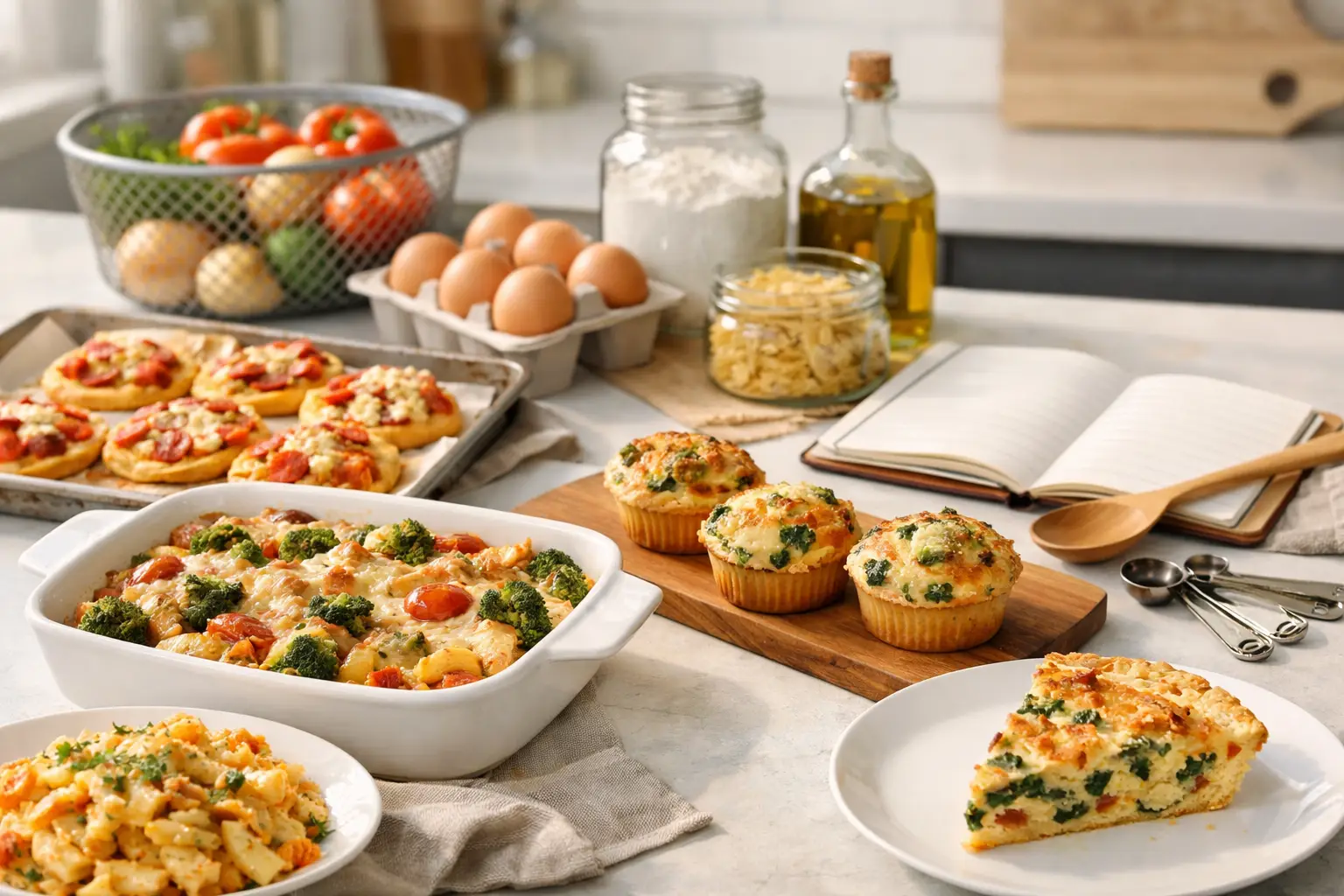
A pan of muffins can solve tomorrow’s breakfast. A quick savoury bake can turn a few vegetables and a block of cheese into dinner. The best baking recipes are not reserved for slow Sundays or picture-perfect kitchens - they are flexible enough to work around school pickups, work calls, small kitchens, and the ingredients already waiting in your cupboard.
Baking does ask for more precision than a stovetop stir-fry, but that does not mean every recipe needs specialty tools or a long ingredient list. A few reliable habits make the difference between a recipe you make once and one you return to whenever you need something warm, filling, and homemade.
What makes baking recipes practical?
A practical baking recipe earns its place in your routine. It uses ingredients you can reasonably keep on hand, gives you a clear cue for doneness, and leaves room for small substitutions when life happens. Think banana oat muffins when fruit is softening on the counter, a sheet-pan focaccia for soup night, or a baked pasta dish that can feed a family and still provide lunch the next day.
The recipe also needs to fit the time you actually have. A 20-minute prep may be manageable while dinner bakes, even if the total time is an hour. On the other hand, a loaf that needs two rises may be better saved for a relaxed afternoon. Reading both prep time and inactive baking or resting time helps you choose well.
For beginners, dependable recipes tend to have fewer moving parts. Drop cookies, quick breads, tray bakes, cobblers, and savoury egg bakes are forgiving places to start. Yeasted bread, laminated pastry, and elaborate layer cakes can be enjoyable projects, but they require closer attention to temperature, timing, and technique.
Build a small baking foundation
You do not need a pantry packed with niche ingredients to bake often. A modest set of basics covers an impressive range of sweet and savoury options: all-purpose flour, baking powder, baking soda, salt, sugar, a neutral cooking oil or butter, eggs, milk or a suitable alternative, and rolled oats. Add cinnamon, cocoa, vanilla, cheese, canned tomatoes, or frozen berries based on what your household enjoys.
The key is understanding what each ingredient does. Flour provides structure. Eggs add binding and richness. Fat brings tenderness and flavour. Baking powder and baking soda create lift, but they are not interchangeable in every situation. Baking soda needs an acidic ingredient, such as yogurt, buttermilk, or brown sugar, to work properly and can leave an unpleasant taste if used carelessly.
Keep an eye on freshness, especially with leaveners. Baking powder and soda do not last forever once opened. If muffins that once rose nicely now come out flat, an old container may be the real issue. Labeling the purchase date takes seconds and saves frustration later.
Measure for the result you want
A kitchen scale is helpful for baking because a packed cup of flour can weigh much more than a lightly spooned cup. Still, measuring cups work well for everyday baking when used consistently. Stir flour in its container, spoon it gently into the cup, then level it with a straight edge. Do not scoop directly from the bag unless the recipe specifically expects that method.
For small quantities, use proper measuring spoons rather than a regular teaspoon. A little extra baking powder or salt can noticeably change a batch, particularly in simple recipes.
Let temperature do some of the work
Room-temperature butter and eggs blend more smoothly into cakes and cookies. Cold butter, however, is often right for scones and pie dough, where you want small pieces of fat to remain intact. The instruction is not a fussy detail - it shapes texture.
Preheating matters too. Putting batter into an oven that is still climbing to temperature can affect rise and baking time. If your oven runs hot or cool, an inexpensive oven thermometer can explain many mystery results.
Choose the right bake for the ingredients you have
Before shopping for one specific recipe, take a quick look at what needs using. Soft bananas point naturally toward muffins, snack cake, or pancakes. A partial bag of shredded cheese, spinach, and eggs can become a crustless quiche. Apples that are losing their crispness work beautifully in a crumble or simple cake.
This approach reduces food waste without forcing you to make a strange combination. Start with the ingredient that needs attention, then choose a familiar format around it. Most home bakers are happier adapting blueberries to a basic muffin than attempting an entirely new dessert with six unfamiliar ingredients.
Some substitutions are low-risk. Berries can usually swap for other berries in muffins. Chopped walnuts or pecans can often be exchanged or omitted. Carrots and zucchini may work in similar quick breads, although zucchini adds more moisture and may need to be squeezed dry first.
Other changes need more care. Replacing all-purpose flour with another flour, removing eggs, or cutting sugar dramatically can change structure, spread, moisture, and browning. If you need a dietary adaptation, choose a recipe designed for that need rather than making several major changes at once. It is usually the faster route to a result you will want to eat.
Use a simple workflow before the oven goes on
Baking feels calmer when the setup is done before mixing begins. Read the full method, set out the pan, and check that you have enough of each ingredient. Then prepare the pan and measure everything before you combine wet and dry ingredients.
That order matters because some batters should go into the oven soon after mixing. With muffins and quick breads, stirring too long can develop gluten and make the finished bake tough. Mix only until the flour disappears; a few small lumps are usually fine.
A short four-part check prevents many common problems:
- Confirm the oven rack position and preheat the oven fully.
- Use the pan size listed in the recipe whenever possible.
- Set a timer for the earliest suggested doneness time.
- Let the bake cool for the stated time before slicing or frosting.
Pan size is especially easy to overlook. A smaller, deeper pan makes a batter thicker, which extends baking time and may leave the centre underdone. A larger pan creates a thinner layer that can dry out quickly. If you must change pans, start checking early and use visual and texture cues rather than relying only on the clock.
Learn the cues that tell you a bake is ready
Timers are guides, not guarantees. Ovens vary, dark pans absorb more heat than light ones, and ingredients can hold different amounts of moisture. Learning a few doneness cues gives you more control.
Cookies often look slightly soft in the centre when they first come out. Their edges should be set, and they will firm up on the hot baking sheet. Quick breads and cakes generally spring back lightly when touched near the centre, while a tester inserted into the middle should come out clean or with a few moist crumbs. For savoury bakes, look for bubbling edges, a set centre, and browning where the recipe suggests it.
Cooling is part of baking, not an optional pause. A loaf cut straight from the oven can compress and seem gummy because its interior is still setting. Cookies may break when moved too soon. Give your food the time it needs, then enjoy it at its best rather than rushing the final step.
Make baking useful beyond one meal
The most satisfying bakes often do more than fill a dessert plate. Bake a double batch of muffins and freeze some for hectic mornings. Turn leftover roasted vegetables into a savoury tart or hand pies. Make a tray of baked oatmeal for easy portions over several days. A simple loaf cake can travel to a potluck, brighten a neighbour’s afternoon, or become a packed lunch treat.
It helps to record the recipes that truly worked for your household. Note whether your children liked the texture, whether the bake froze well, and whether you would add less sugar or more spice next time. That small record builds your own dependable recipe collection faster than chasing every new trend.
When you are unsure what to make, FlavorLab can help turn a dish idea, dietary preference, available ingredients, serving size, or cooking-time limit into a structured recipe with steps and estimated nutrition information. It is particularly useful when you have ingredients to use but no clear baking plan, or when you want to fit a bake into a larger weekly meal plan and shopping list.
A good baking habit starts small: choose one realistic recipe, read it through, and make it once without trying to change everything. Then make it yours on the next round. When your counter holds a few useful basics and your freezer has something homemade for a busy day, baking becomes less of a project and more of a practical kitchen skill. Open FlavorLab and generate the next bake that fits what you already have.