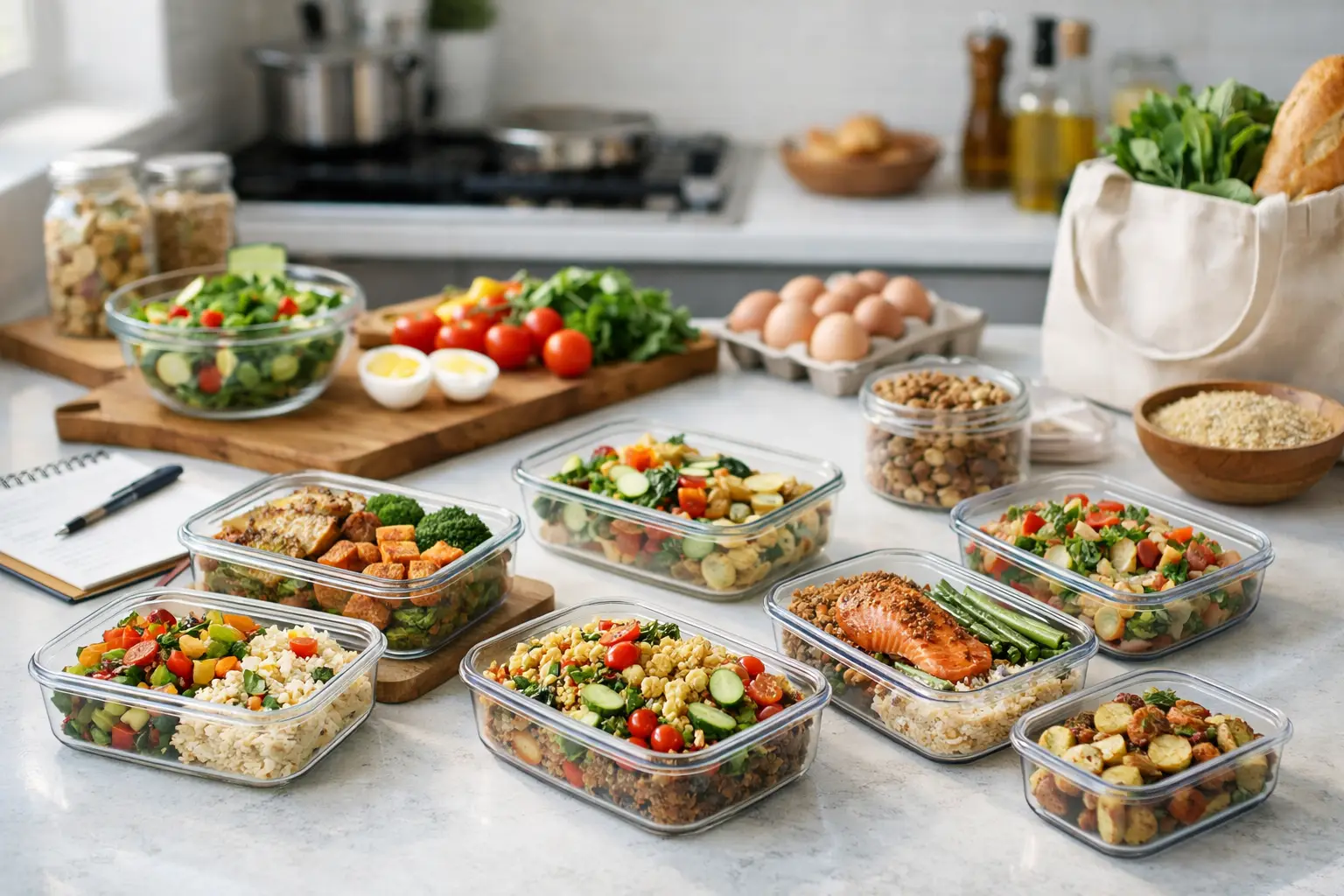
The 5:30 p.m. question is rarely “What do I feel like cooking?” It is usually “What can I make with 20 minutes, one tired brain, and whatever is still in the fridge?” A beginner guide meal prep should solve that real problem. It should not leave you with 14 identical containers, a sink full of dishes, or food you no longer want by Wednesday.
Meal prep is simply making future meals easier. For some households, that means cooking full lunches on Sunday. For others, it means washing produce, cooking rice, and deciding on three dinners before the week gets busy. The best approach is the one you will actually repeat.
Start smaller than you think
A common first mistake is planning every breakfast, lunch, dinner, and snack for seven days. It sounds efficient, but it can be expensive, tiring, and surprisingly wasteful when plans change. Start with three days and one meal category. Lunches are often easiest because they need to be ready when you are busiest.
Choose two or three recipes that share ingredients. If one dinner uses roasted broccoli and another needs a quick side, buy enough broccoli for both. If you cook chicken, tofu, lentils, or beans, use the same protein in different ways across the week rather than preparing several separate mains.
Think in building blocks instead of finished meals. A batch of cooked grains, a tray of vegetables, a prepared protein, and one sauce can turn into bowls, wraps, salads, or a quick skillet meal. Variety comes from how you combine those parts, not from cooking five entirely different menus.
Build a realistic beginner guide meal prep plan
Before writing a shopping list, check your calendar. A week with late work meetings, kids’ activities, exams, or travel calls for simpler meals than a quiet week at home. Planning for your actual schedule is more useful than planning for an ideal version of it.
Pick one prep day, but do not make it an all-day project. Set aside 60 to 90 minutes. During that time, aim to prepare one protein, one carbohydrate, two vegetables, and one flavour booster. Your flavour booster might be a vinaigrette, yogurt-based sauce, salsa, pesto, curry sauce, or a simple mix of lemon, garlic, and olive oil.
For example, a practical three-day plan could include cooked brown rice, roasted sweet potatoes and peppers, seasoned black beans, and a limey dressing. On day one, make a grain bowl. On day two, tuck the same filling into a wrap with greens. On day three, warm it in a skillet and top it with an egg or extra beans. You are not eating the same meal three times, even though the prep work is largely done.
If your household has different preferences, prep shared components rather than identical portions. Put out cooked rice, chopped vegetables, protein options, cheese, greens, and sauces. Each person can build a plate that suits them. This is especially helpful when one person wants more spice, another avoids a particular ingredient, or children prefer foods served separately.
Make the shopping list do the hard work
A good meal-prep shop begins with what you already have. Look through the fridge, freezer, and cupboard before buying more. Half a bag of spinach, canned chickpeas, frozen peas, and a nearly forgotten jar of sauce may already be the foundation of several meals.
Then buy only what completes the plan. Be realistic about perishability. Tender greens, berries, herbs, and ripe avocados are great for the first half of the week, while carrots, cabbage, frozen vegetables, canned beans, and dry grains can wait longer. If you prep on Sunday but know you will not eat a meal until Friday, freezing a portion is often smarter than relying on the fridge.
It also helps to assign ingredients a job. If you buy a pack of tortillas, decide whether they are for wraps, breakfast quesadillas, or freezer-friendly bean-and-veg burritos. Ingredients without a planned use are the ones most likely to become food waste.
Prep ingredients, then protect their texture
Meal prep is not just about cooking. Storage has a big effect on whether Tuesday’s lunch feels fresh or disappointing. Let hot food cool a little before packing it, then refrigerate it promptly in shallow containers. Divide large batches into meal-sized portions so they cool and reheat more evenly.
Keep crisp ingredients separate where possible. Store dressings and sauces in small containers, add crunchy toppings just before eating, and keep greens away from warm grains or roasted vegetables until serving time. If you are packing a salad, place dressing at the bottom, sturdy vegetables and grains next, and delicate greens at the top.
Not every food improves after several days in the fridge. Fried foods soften, cut fruit can brown, and some cooked vegetables lose their appeal. That does not mean they are off-limits. It means you may want to prep the ingredients instead of fully cooking the dish. Chop vegetables for a stir-fry, portion the sauce, and cook it fresh in ten minutes later.
Give yourself permission to use shortcuts
Meal prep is not a test of kitchen skill. Pre-washed greens, frozen vegetables, canned beans, rotisserie-style cooked chicken alternatives, jarred sauces, and microwaveable grains can all make the plan more realistic. Read labels if dietary needs matter to you, and choose the shortcuts you genuinely enjoy eating.
The trade-off is cost and control. Buying everything pre-cut may cost more, while cooking everything from scratch takes more time. A mix usually works best: save your effort for the parts that make a meal taste personal, and outsource the repetitive tasks when the week is full.
You can also prep in stages. Shop and wash produce on one day, then cook a batch of grains and vegetables the next evening. This approach works well if a big Sunday cooking session feels like one more obligation rather than helpful support.
Plan for the meals that go off-script
Even a careful plan needs breathing room. Leave one dinner unplanned for leftovers, a quick freezer meal, or an easy pantry supper. This protects you from throwing food away when a meeting runs late or you decide to eat elsewhere.
Keep a few flexible staples on hand: eggs, canned beans, pasta, frozen vegetables, broth, tortillas, and a favourite sauce. With these basics, leftover roasted vegetables can become a frittata, a soup, a pasta sauce, or a wrap filling. The goal is not to follow a rigid menu. It is to make the next decision easier.
When something is nearing its use-by window, treat it as your next cooking prompt. A soft pepper, a handful of mushrooms, and leftover rice do not need a perfect recipe. They need a direction. Stir-fry, soup, fried rice, omelette, or pasta are reliable answers.
Use a system that fits your kitchen
A paper list on the fridge may be enough for some cooks. Others prefer seeing the week on a digital planner and keeping the shopping list beside it. What matters is connecting your meal ideas, ingredients, and schedule so you do not have to remember everything at the store.
FlavorLab can help when you are stuck between what is in your pantry and what sounds good. Use Pantry Rescue to turn ingredients you already have into meal ideas, then build a plan and combined shopping list around the gaps. If you need a recipe adjusted for serving size, cooking time, cuisine, or dietary preferences, generate a version that fits the week you actually have.
Your first meal-prep week does not need to look impressive. It needs to make one busy evening calmer, one lunch easier, or one grocery shop more intentional. Start with three days, notice what gets eaten, and adjust from there. When you are ready for your next plan, organise your shopping list at FlavorLabApp.ca.