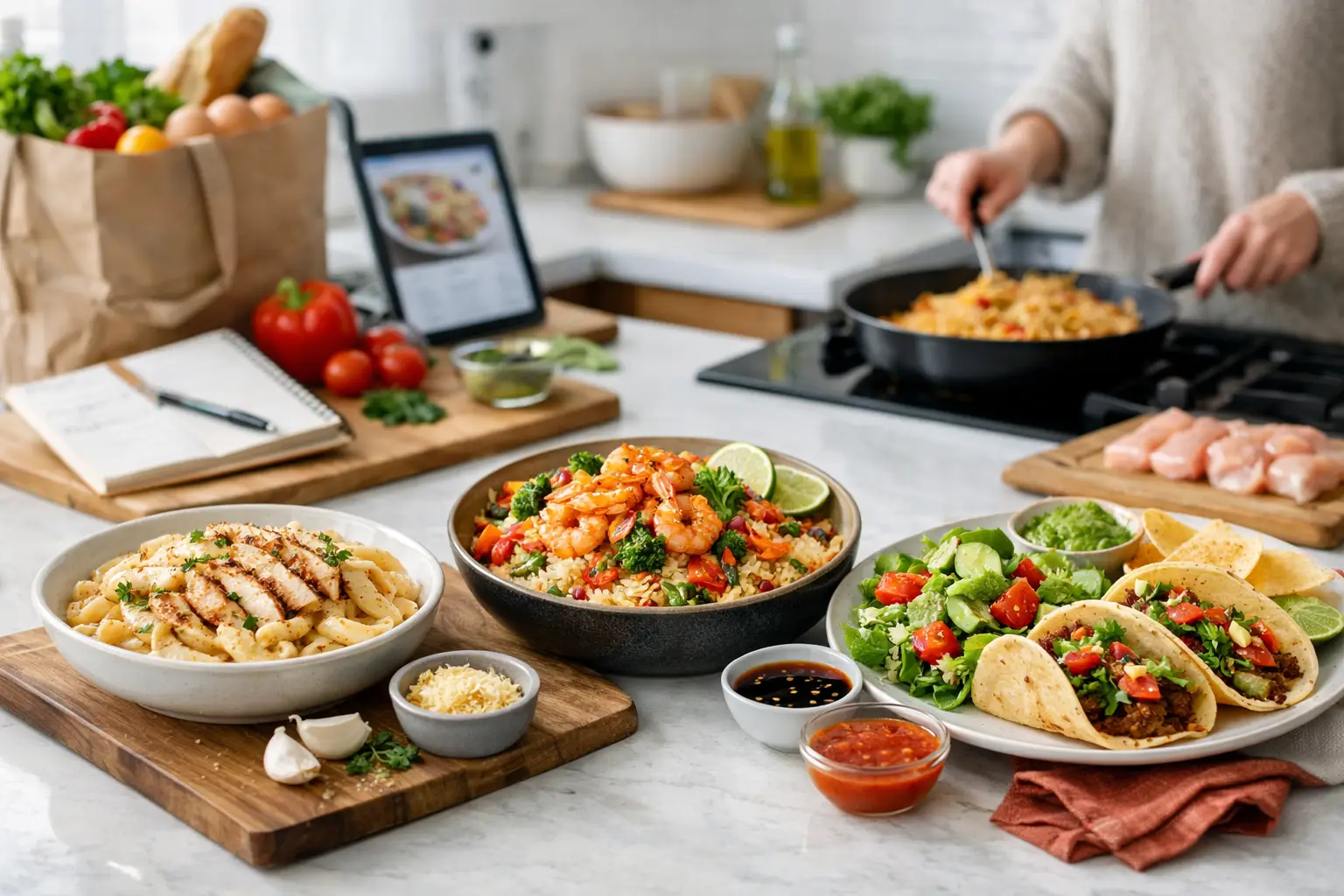
Mood-Based Dinner Ideas for Real Weeknights
The question is not always, “What do I have for dinner?”
Sometimes it is, “What can I possibly make after this day?”
That is where mood-based dinner ideas can be more useful than a rigid weekly menu. The same person who wants a bright, crunchy rice bowl on a warm Tuesday may need creamy pasta or a baked potato on a cold Friday.
Your energy, available time, appetite, weather, ingredients, and the people eating with you can all change what feels like the right dinner.
Cooking according to your mood does not mean buying a different collection of ingredients every evening. It means choosing the kind of experience you need first, then building a practical meal around what is already available.
FlavorLab helps home cooks connect their ingredients, cooking time, dietary preferences, and cravings with recipes that fit real weeknights.
Start With One Honest Dinner Question
Before opening the refrigerator, ask:
What do I need from dinner tonight?
You may need:
- Comfort after a difficult day
- A fast meal with very few decisions
- Something fresh and energizing
- A creative cooking project
- A meal everyone can customize
- A dinner that uses ingredients before they spoil
- Something warm and filling
- A lighter meal that still feels satisfying
Naming the need can narrow the choices quickly.
There is no single correct dinner for a particular mood.
Comfort may mean pasta for one household, lentil curry for another, and ginger soup for someone else. A social dinner might be tacos, pita pizzas, a build-your-own rice bowl, or one large tray of roasted vegetables and chicken.
The useful part is matching the meal format to the moment instead of forcing yourself into a recipe that does not suit your energy or schedule.
When you need general inspiration, you can browse recipes on FlavorLab.
When You Are Tired: Choose Low-Decision Comfort
Tired-night dinners should have:
- A short ingredient list
- Familiar flavours
- Very little active preparation
- Minimal cleanup
- Flexible substitutions
- A forgiving cooking method
This is not the evening to attempt a recipe with three sauces, several garnishes, and perfect timing.
Good tired-night options include:
- A loaded baked potato
- Scrambled eggs with toast
- Tomato pasta
- Grilled cheese and soup
- Noodles with frozen vegetables
- Quesadillas
- A simple rice bowl
- A freezer meal upgraded with one fresh ingredient
Comfort is often about warmth and texture as much as flavour.
A basic tomato pasta can feel more complete with spinach, grated cheese, white beans, or crispy breadcrumbs.
Rice becomes dinner when you add an egg, leftover chicken, tofu, beans, or whatever vegetables need using.
Soup from the pantry or freezer can become a more satisfying meal with a grilled cheese sandwich, quesadilla, toast, or a baked potato.
For more low-effort options, explore these meal ideas for tonight when time is tight.
Keep Several Easy Flavour Directions
Low-effort meals can become repetitive when every backup dinner tastes the same.
Keep two or three simple flavour directions in rotation.
Tomato and Herb
Use:
- Canned tomatoes
- Tomato paste
- Garlic
- Dried oregano or basil
- Pasta, beans, rice, or bread
- Cheese when available
Soy, Ginger, and Sesame
Use:
- Soy sauce
- Ginger
- Garlic
- Rice or noodles
- Eggs, tofu, chicken, or edamame
- Frozen vegetables
Lemon and Herb
Use:
- Lemon juice
- Garlic
- Olive oil
- Dried or fresh herbs
- Chicken, chickpeas, fish, beans, or tofu
- Rice, potatoes, couscous, or pasta
Creamy and Savoury
Use:
- Yogurt, cream cheese, cheese, or coconut milk
- Garlic
- Mushrooms, spinach, peas, or broccoli
- Pasta, potatoes, rice, or noodles
The main meal format can stay familiar while the flavour changes.
When You Are Busy: Make Dinner Move at Your Pace
A busy evening does not always mean you have only fifteen minutes.
Sometimes it means you need a meal that can pause, wait, or cook mostly on its own.
Helpful choices include:
- Sheet-pan dinners
- Slow-simmered soups
- Grain bowls
- Casseroles
- One-pot pasta
- Baked potatoes
- Tacos with separate components
- Oven-roasted proteins and vegetables
These meals are useful because they do not require constant attention.
You can complete the active preparation, then allow the oven or stovetop to do most of the work while you answer messages, help with homework, prepare for the next day, or simply sit down for a few minutes.
Try roasting chicken, sausage, tofu, or chickpeas with vegetables while rice, couscous, or noodles cook separately.
Another useful option is fried rice or a pasta skillet made with small amounts of leftover ingredients.
Half a pepper, several mushrooms, one carrot, leftover chicken, and cooked rice may not look like a planned meal, but together they can become dinner.
For more meals made from shelf-stable and leftover ingredients, see these recipes from pantry ingredients that work.
When You Want Something Fresh: Build Contrast
Some evenings call for a reset.
You may not want a heavy meal, but you still need dinner to feel substantial.
Fresh dinners work best when they include contrast:
- Something warm with something crisp
- Something creamy with something acidic
- Something soft with something toasted
- Something savoury with something bright
- A filling base with fresh vegetables
Ideas include:
- Warm rice with cucumber, carrots, and tofu
- Salmon or chickpeas with a lemony salad
- Roasted sweet potato with greens and tahini dressing
- Chicken with tomato, cucumber, and couscous
- Lentils with roasted vegetables and yogurt
- A chopped salad with warm potatoes or crispy chickpeas
A salad can be a proper dinner when it includes enough substance.
Add one or more of the following:
- Beans
- Eggs
- Chicken
- Tofu
- Lentils
- Potatoes
- Rice
- Quinoa
- Pasta
- Toasted bread
- A filling dressing
Fresh dinners often become disappointing when they consist only of raw vegetables.
Add a warm component, protein, and a flavourful sauce so the meal does not leave you looking for snacks shortly afterward.
When You Need Comfort: Keep the Familiar Part
Comfort food does not need to take the entire evening.
Fast comforting options include:
- Creamy mushroom pasta
- Baked macaroni and cheese with peas
- A cottage-pie-style skillet
- Chicken and vegetable pot-pie filling over biscuits
- Loaded baked potatoes
- Tomato soup and grilled cheese
- Chilli with bread or rice
- Coconut curry noodles
- A warm rice bowl with sauce and crispy toppings
When cooking for family or roommates, familiar meals are often easier to adapt.
Set out toppings for baked potatoes, chilli, tacos, pasta, rice bowls, or soup so each person can adjust the meal.
This helps accommodate different appetites and preferences without cooking separate dinners.
For a more balanced comfort meal, keep the feature you love instead of replacing everything.
Try:
- Adding beans to tomato sauce
- Stirring vegetables into macaroni and cheese
- Adding lentils to shepherd’s pie filling
- Serving a rich main dish with a bright salad
- Adding chicken or chickpeas to soup
- Serving pancakes with yogurt, fruit, and eggs
The goal is satisfaction, not strict food rules.
For more ideas, read Healthy Comfort Food That Still Feels Like Dinner.
When You Feel Creative: Experiment With One Thing
Creative cooking is more enjoyable when the experiment has boundaries.
Choose one new element:
- A spice blend
- A sauce
- A filling
- A cooking method
- A new vegetable
- A different cuisine
- A fresh topping
- A new way to use leftovers
Keep the rest of the meal simple.
You might:
- Make crispy tofu with a new glaze
- Turn leftover rice into savoury pancakes
- Try a different spice blend on roasted cauliflower
- Add a new dressing to a familiar grain bowl
- Turn dumplings into a soup
- Use chickpeas in a new curry
- Make a different topping for baked potatoes
This is also a good time for ingredient-led cooking.
If basil is wilting, turn it into an herb sauce.
If tomatoes are very ripe, use them in pasta, soup, toast, salsa, or a grain bowl.
If the freezer contains dumplings, build dinner around them with greens, broth, chilli oil, or a simple salad.
Creativity should not feel like a test. Some combinations will be worth repeating, and others will not.
Keep notes about successful meals, particularly those that use ingredients you regularly have.
Over time, spontaneous dinners can become dependable personal favourites.
For more global inspiration, explore these international recipe ideas for busy weeknights.
When Dinner Is Social: Let Everyone Build Their Plate
A social dinner should be easy to serve and easy to customize.
Useful shared formats include:
- Taco spreads
- Rice bowl bars
- Pita pizzas
- Noodle bowls
- Loaded baked potatoes
- Flatbread boards
- Salad-and-grain platters
- Nachos
- Soup with several toppings
- Wraps and sandwiches
Choose one main hot item and several low-preparation additions.
For example, roast seasoned chicken or chickpeas, then serve them with:
- Rice
- Flatbreads
- Chopped vegetables
- Yogurt or tahini sauce
- Cheese
- Herbs
- Pickles
- Hot sauce
The meal can look generous without requiring several separate cooked dishes.
Presentation can also change the mood.
Place the components in the middle of the table, serve the sauce in a bowl, or add fresh herbs just before eating.
Small details can make an ordinary weeknight dinner feel more inviting.
When You Feel Indecisive: Use a Three-Part Filter
When every idea sounds possible and none sounds right, use three filters.
1. Time
Ask how much active cooking time you truly have.
Choose between:
- Under 15 minutes
- About 30 minutes
- Up to 45 minutes
- A longer hands-off meal
2. Energy
Ask how much preparation and cleanup you can manage.
Choose between:
- Almost no effort
- One-pan cooking
- Moderate chopping
- A creative cooking project
3. Craving
Choose one general direction:
- Warm and creamy
- Fresh and crunchy
- Spicy and bold
- Familiar and mild
- Light but filling
- Crispy and savoury
- Brothy and comforting
These three answers can narrow a long list of recipes into a manageable decision.
Turn Your Mood Into a Better Recipe Prompt
When using an AI cooking assistant, include both your mood and practical limits.
Instead of asking:
> Give me a dinner recipe.
Try:
> Create a cosy vegetarian dinner using mushrooms that takes no more than 35 minutes.
Or:
> Make a fresh high-protein rice bowl using chicken and cucumber for two people.
Another useful prompt might be:
> Create a family-friendly one-pan dinner using potatoes and broccoli with mild seasoning.
Include:
- The ingredients you already have
- Ingredients that need using soon
- Number of servings
- Available cooking time
- Dietary preferences
- Equipment available
- Desired mood or texture
The more specific the request, the more practical the result can become.
Use the FlavorLab AI Chef to turn those details into a structured recipe.
Use Substitutions Without Losing the Mood
A substitution should protect what you wanted from the dinner.
When you want comfort, replacing every creamy or starchy ingredient may remove the experience you were craving.
When you want freshness, replacing crisp vegetables with softer ingredients may change the meal too much.
Ask what role the missing ingredient plays:
- Creaminess
- Acidity
- Crunch
- Protein
- Structure
- Heat
- Sweetness
- Savoury depth
Then choose a replacement that protects that role.
For more help, use the Recipe Substitution Guide for Everyday Cooking.
Let Ingredients That Need Using Guide the Mood
Your mood can guide the dinner style, but the ingredients that need attention can guide the details.
For example:
- Wilting spinach can go into comforting pasta, fresh grain bowls, soup, or eggs.
- Cooked rice can become fried rice, a fresh bowl, or savoury pancakes.
- Soft peppers can be roasted, blended into sauce, or added to tacos.
- Leftover chicken can become soup, pasta, quesadillas, or salad.
- Open yogurt can become a sauce, dressing, marinade, or topping.
- Mushrooms can support pasta, soup, rice bowls, eggs, or a savoury skillet.
This approach reduces food waste without forcing every ingredient into one dish.
Use Nutrition Information as a Guide
Your mood matters, but a meal still needs enough substance to support the people eating it.
When a dinner feels incomplete, ask whether it needs:
- More protein
- More fibre
- A filling carbohydrate
- A sauce or dressing
- Additional vegetables
- A more realistic portion
Use FlavorLab’s Nutrition Lab to review practical nutrition estimates when comparing meal ideas.
You can also read the easy recipe nutrition calculator guide for help understanding serving sizes and ingredient measurements.
Nutrition estimates remain guides rather than medical advice, and actual values vary with brands, portions, substitutions, and preparation methods.
Make Tomorrow’s Mood Easier to Handle
A mood-based dinner plan does not need to be completely spontaneous.
Keep several dependable meal formats available:
- One low-effort comfort meal
- One fresh bowl or salad
- One pantry dinner
- One freezer meal
- One customizable family dinner
- One creative option
Stock ingredients that can move between these formats.
Rice, pasta, beans, eggs, frozen vegetables, canned tomatoes, yogurt, cheese, bread, onions, and several sauces or seasonings can support many different moods.
The goal is not to predict exactly what you will want. It is to make several useful directions possible.
Choose a Dinner That Fits Tonight
The best dinner is not always the most impressive recipe.
It is the meal that fits your mood, time, available ingredients, appetite, and household tonight.
Choose the experience you need first. Then build the meal from what is realistic.
Create a free FlavorLab account to discover recipes, generate dinners around your mood and ingredients, review nutrition guidance, and turn tonight’s decision into a practical cooking plan.