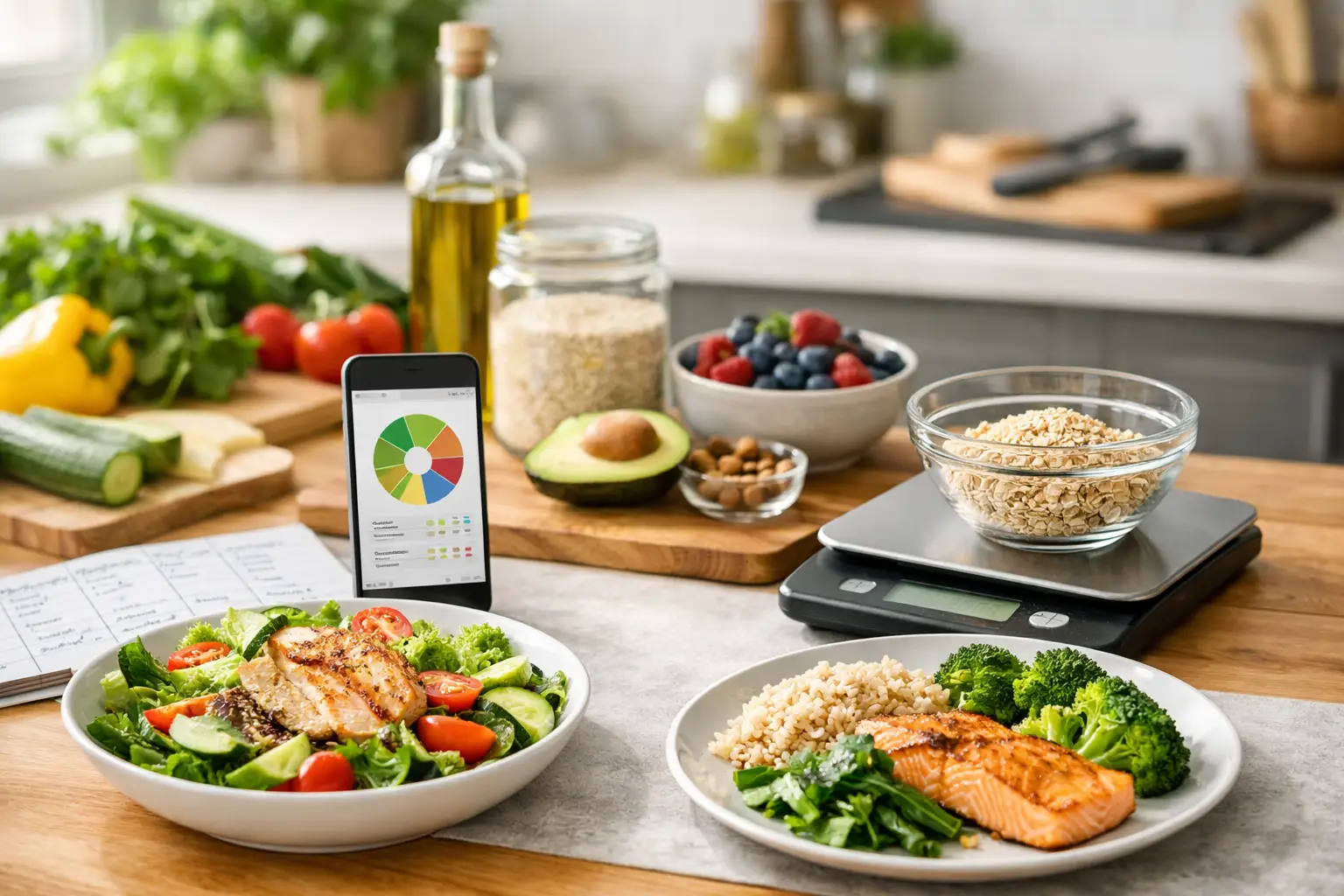
A bowl of pasta can be a quick weeknight dinner, a post-workout meal, or tomorrow’s lunch - but the ingredients and portions change what it delivers. A nutrition analyzer gives home cooks a clearer picture of those differences without turning every meal into a math assignment. It can help you see estimated calories, protein, fibre, carbohydrates, fat, and other nutrition details for the food you are already making.
FlavorLab includes estimated nutrition information within its recipes, helping home cooks compare portions, ingredients, and meal options while planning what to cook.
For busy households, that information is most useful when it supports a practical decision: Should this meal include more vegetables? Is there enough protein to keep everyone satisfied? Can you use the chicken, spinach, and yogurt that need to be used this week? The goal is not to make every plate perfect. It is to cook with more confidence and less guesswork.
What a nutrition analyzer can tell you
A nutrition analyzer estimates the nutritional makeup of a recipe by looking at its ingredients, amounts, and number of servings. Rather than seeing “chilli” as one item, it considers the beans, ground meat or plant-based alternative, tomatoes, oil, cheese, rice, and toppings that make up the finished meal.
The results often include estimated calories and macronutrients: protein, carbohydrates, and fat. Many tools also display useful details such as fibre, sugar, sodium, and certain vitamins or minerals. That gives you a starting point for understanding how a meal fits into your day or week.
Take a simple breakfast smoothie. A banana, milk, oats, peanut butter, and Greek yogurt may look like a light drink, but the analysis can show that it is also a substantial breakfast with protein, fibre, and energy. On the other hand, it may reveal that swapping one ingredient or changing the portion gives you a version that better suits your appetite or plans for the day.
This is especially helpful with homemade recipes, where nutrition labels are not available and online estimates may be based on a version that does not match your own. Your turkey tacos will differ from someone else’s if you use corn tortillas instead of flour, add avocado, skip cheese, or make enough for six people instead of four.
Use nutrition information as a kitchen tool, not a scorecard
Nutrition data is useful, but it is not a grade for your dinner. A meal can be satisfying, affordable, comforting, and nourishing without matching a fixed set of numbers. Some evenings call for a fast grilled cheese and soup. Other nights you may want to build a higher-protein lunch for the next day or add more fibre to a family favourite.
The best way to use an analysis is to ask one useful question at a time. If a meal seems unlikely to keep you full, look at protein and fibre. If you are preparing lunches for a busy week, check whether the recipe makes enough servings and whether the ingredients work for your preferences. If you are watching sodium for personal reasons, compare sauces, broths, and packaged ingredients before cooking.
Small changes often make more sense than a total recipe overhaul. Add lentils to a meat sauce, serve roasted vegetables alongside frozen pizza, use plain yogurt in a creamy dip, or include eggs and toast with a fruit-only breakfast. These are ordinary kitchen choices, and a nutrition analyzer can help you understand their likely effect.
Estimates have limits
Nutrition analysis is an estimate, not a medical assessment or a guarantee of exact values. Brands vary, ingredient sizes vary, and home measurements are rarely identical. A tablespoon of oil that is poured freely into a pan may not be the same as a level tablespoon recorded in a recipe.
Recipes also change during cooking. Some ingredients are drained, some moisture evaporates, and portions are not always divided evenly. Treat the numbers as useful guidance, especially for comparing options, rather than a reason to worry about tiny differences.
If you manage a medical condition, severe allergy, or a prescribed nutrition plan, rely on qualified healthcare guidance and carefully check product labels. A general recipe analysis cannot confirm that a meal is safe for a specific medical need.
Start with the meals you actually cook
The most helpful nutrition analysis starts with real life, not an idealized menu. Think about the meals you repeat: pasta, stir-fries, sheet-pan dinners, wraps, oatmeal, soups, curries, or snacks assembled between meetings. Once you understand those basics, you can make faster adjustments when time is short.
For example, a student making instant noodles can add an egg, frozen edamame, and leftover vegetables for more staying power. A parent making mac and cheese can pair it with peas and a simple protein rather than trying to reinvent a meal their kids already enjoy. A home cook using up a bag of wilting carrots can turn them into a soup, tray bake, or fritters and see how the final recipe comes together nutritionally.
This approach also helps with grocery planning. Instead of buying separate ingredients for a different “healthy” meal every night, choose flexible foods that work across several dishes: canned beans, eggs, frozen vegetables, whole grains, yogurt, tofu, chicken, and sauces you enjoy. You will waste less food and have more options when plans change.
Why serving size matters as much as ingredients
A recipe may be balanced on paper but less useful if its serving size does not match how it is eaten. A four-serving casserole shared by two people is different from a four-serving casserole portioned into lunches. A nutrition analyzer is only as useful as the servings you set.
Before analysing a recipe, decide whether you are cooking for dinner only, dinner plus leftovers, or a group with different appetites. Then divide the recipe realistically. This matters for snacks, baked goods, and batch cooking in particular, where it is easy to underestimate how much ends up on each plate.
Portion awareness does not mean measuring every bite. It means knowing whether a recipe is meant to feed two, four, or eight, so you can shop, cook, and save leftovers with fewer surprises.
Build meals around what is already in your kitchen
Nutrition goals and food-waste reduction can work well together. A half bag of broccoli, a can of chickpeas, and a package of rice are not random leftovers when you have a way to turn them into a meal. They are the base for a bowl, a curry, fried rice, or a warm salad.
Start with one ingredient that needs attention, then add a protein, a source of carbohydrates, vegetables or fruit, and a flavour element. You do not need every meal to follow the same formula. The point is to make an intentional choice from what you have instead of ordering food because the fridge looks uninspiring.
A connected kitchen platform can make that easier by bringing recipe ideas, pantry ingredients, meal planning, shopping lists, cooking instructions, and estimated nutrition into one place. You can generate a recipe around available ingredients, adjust it for serving size or preferences, and use the analysis to guide a practical tweak before you start cooking.
Make the information work for your routine
The value of a nutrition analyzer grows when it becomes part of a repeatable routine. Review a few dinners before planning the week, not every meal after you eat it. Save recipes that work for your household. Notice which breakfasts keep you going through the morning and which lunches travel well to school or work.
You may find that your favourite meals already offer more balance than you expected. You may also spot simple gaps: not enough vegetables at dinner, little protein at breakfast, or too few planned leftovers on hectic days. Those patterns are far more useful than trying to chase exact numbers from one meal.
When dinner decisions feel rushed, visit FlavorLabApp.ca to generate a personalized recipe, use Pantry Rescue for ingredients already in your kitchen, and review estimated nutrition information before you begin cooking.