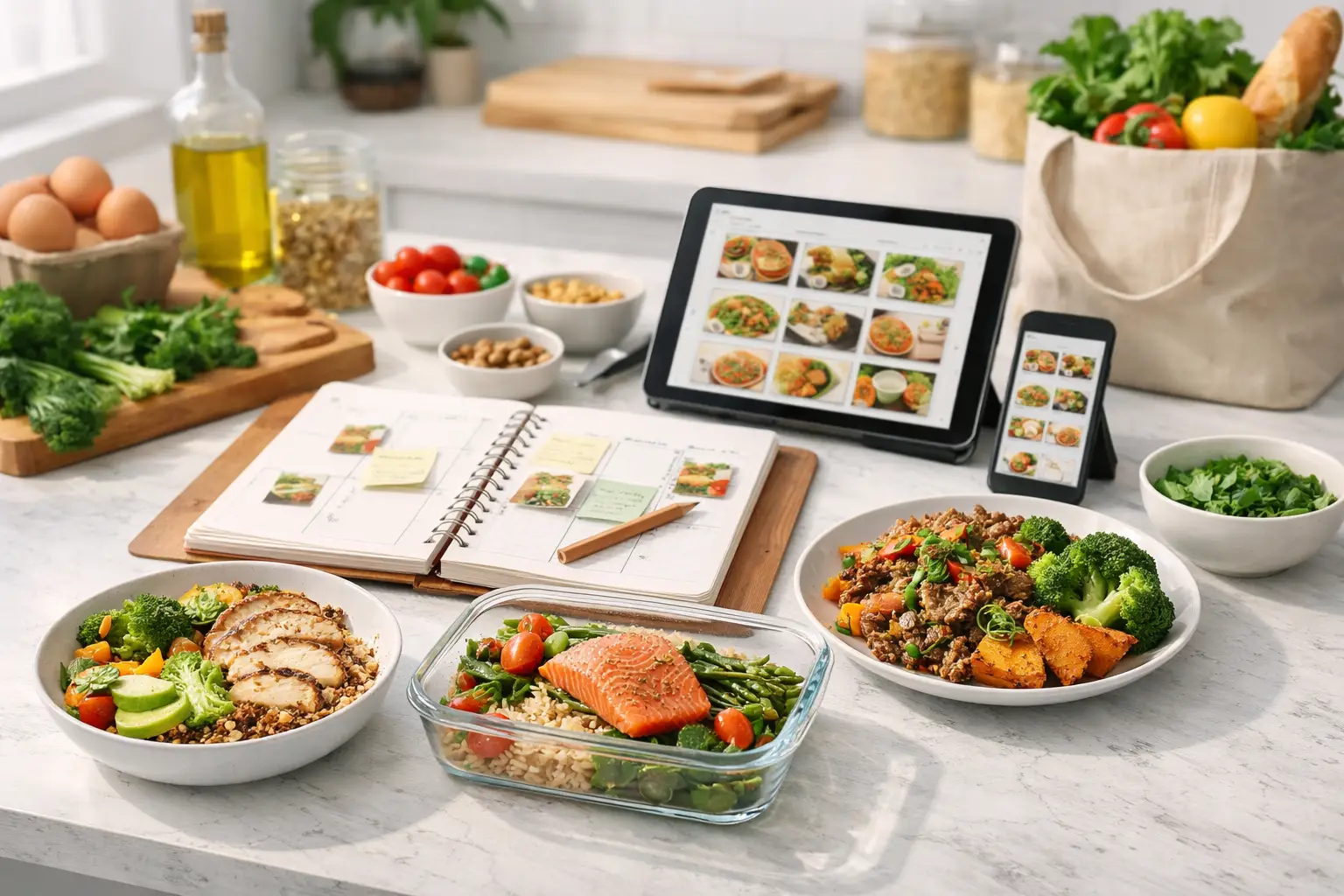
The 5 p.m. question is rarely just “What do we feel like eating?” It is more often: What can we make before everyone gets hungry, with the groceries we have, while keeping one person’s preferences and another person’s schedule in mind? Personalized meal planning makes that decision smaller, clearer, and far more realistic.
A useful plan is not a rigid calendar full of aspirational recipes. It is a flexible system built around your time, budget, ingredients, cooking confidence, and the way your household actually eats. Some weeks, that means a batch of chili and a sheet-pan dinner. Other weeks, it means quick noodles, a sandwich night, and one recipe worth making extra of.
What Personalized Meal Planning Should Actually Do
A meal plan should reduce decisions, not create another job. If it takes an hour to make and falls apart by Tuesday, it is not serving you. The best plans give you a handful of dependable choices while leaving room for changing plans, leftovers, and the occasional takeout night.
Personalization starts with the constraints that shape dinner. A student may need low-cost meals that use the same few ingredients across several days. A family may need recipes that can be adjusted for a picky eater without preparing two separate dinners. Someone working late may need meals with 25 minutes of active cooking, not just a short total time listed on a recipe.
It also includes preference. You may want more plant-forward meals, higher-protein breakfasts, comfort food on a cold week, or a cuisine you are excited to learn. Those are valid reasons to plan. Food routines work better when the meals sound appealing, not merely efficient.
Start With Your Non-Negotiables
Before choosing recipes, decide what the week needs to accommodate. Think about the evenings you will be out, the day groceries arrive, the leftovers already in the fridge, and the nights when cooking energy will be low. This takes a few minutes and prevents the common mistake of planning five ambitious dinners for five busy evenings.
Choose two or three practical filters. For example, you might decide that weekday meals need to take 35 minutes or less, include at least two vegetable-based dinners, and create lunch leftovers once or twice. If dietary preferences are part of your household, use them as a starting point rather than an afterthought. A recipe is easier to follow when it was selected with your needs in mind.
Be honest about cooking skill, too. Trying one unfamiliar technique can be fun. Trying a new cuisine, a long ingredient list, and three unfamiliar techniques on a Wednesday is a different experience. Mix confidence-building meals with recipes that stretch your skills a little.
Build a Week Around Ingredients, Not Seven Perfect Recipes
Planning every meal from scratch often leads to half-used produce, duplicate sauces, and a shopping list that costs more than expected. A more practical approach is to choose ingredients that can work in more than one meal.
If you buy bell peppers, they could go into fajitas, egg muffins, fried rice, or a pasta sauce. Roasted chicken can become a grain bowl one night and a wrap the next day. A bag of spinach can appear in pasta, omelettes, and soup. This is not about eating the same meal repeatedly. It is about giving each grocery item more than one possible destination.
Start with what needs using first. Check produce, opened jars, cooked grains, and proteins approaching their best-before date. Then build one or two meals around those items. This simple habit can cut food waste because your plan begins with food already paid for.
Next, choose a small set of meal types instead of assigning a different elaborate recipe to each day. A week might include one tray bake, one pot of soup or curry, one quick skillet meal, one leftover night, and one flexible pantry dinner. That variety feels good, but it also makes shopping and prep manageable.
Plan for Flexible Nights
Not every dinner needs a fixed recipe. Flexible meals are a quiet lifesaver when plans change. Keep a few options that rely on shelf-stable basics and freezer ingredients: pasta with vegetables, rice bowls, baked potatoes with toppings, quesadillas, or eggs with toast and a side salad.
These meals are especially helpful when produce has not lasted as long as expected or when a planned dinner no longer sounds good. They protect the plan without making you feel like you failed it.
A good rule is to schedule fewer dinners than you think you need. If you plan five cooked dinners for a seven-day week, you leave space for leftovers, social plans, and the meal you make from whatever is left. For many households, that is more accurate than forcing seven distinct dinners onto a calendar.
Make Your Shopping List Work Harder
The shopping list is where meal planning becomes useful at the store. Instead of collecting ingredients recipe by recipe, combine quantities and check what you already have. Two meals that each call for half a lemon should become one lemon on the list, not two separate reminders.
Group items in a way that matches how you shop. Produce, dairy, pantry items, and frozen foods are simple categories that make a rushed trip faster. Add replacements only when they support the plan. Buying a new condiment because it appears in one recipe can be worthwhile if you will use it again, but it may not be the best choice for a tight week.
There is a trade-off between variety and waste. A menu with seven unrelated recipes can feel exciting, but it usually means more speciality ingredients. Repeating a base ingredient across meals is often easier on the budget and leaves less behind in the crisper drawer.
For households that share food shopping, keep one combined list rather than sending separate notes. It reduces duplicate purchases and makes it easier for anyone to pick up what is needed. If a planned item is unavailable, choose a substitute based on the meal’s role: broccoli can replace green beans in a stir-fry, while canned beans can often stand in for cooked lentils in a hearty bowl.
Let Nutrition and Preferences Inform, Not Control, the Plan
Nutrition information can help you compare options and build meals with more intention, especially if you are working toward a personal food goal. But it is still an estimate, and it does not need to turn dinner into a calculation exercise.
Look at the meal as a whole. A pasta dinner can become more filling with vegetables, beans, chicken, tofu, or a side salad. A lighter lunch may need a satisfying snack later. The right balance depends on your appetite, activity, budget, and preferences.
Avoid making the plan so strict that it cannot adapt. If you planned tacos but feel like soup, or if the family finishes the leftovers sooner than expected, adjust. Personalized planning is not about following a perfect schedule. It is about having enough options to make a good choice without starting from zero.
Use Technology for the Decision You Cannot Make
Sometimes the hard part is not cooking. It is choosing. You have chickpeas, half a zucchini, rice, and no idea how to turn them into dinner. Or you know you want something quick and comforting, but searching through recipes creates more tabs than answers.
That is where a connected kitchen tool can be more helpful than a static weekly template. FlavorLab lets you generate recipe ideas based on a dish, ingredients, cuisine, dietary preference, serving size, cooking time, or food goal. You can use Pantry Rescue to turn ingredients you have or need to use soon into meal ideas, then move the recipe into your meal plan and combined shopping list.
The value is in the connection between decisions. A recipe should not sit separately from the ingredients you need, the meals you have planned, and the instructions you will follow while cooking. When you have a full recipe, estimated nutrition information, a finished-dish image, and step-by-step Cook Mode in the same place, it is easier to move from “maybe” to dinner.
Creator Shorts and cooking videos can also be useful when available, particularly for beginners who want to see the feel of a technique or get a clearer sense of how a dish comes together. They are a helpful extra, not a requirement for every meal.
The most sustainable plan is one that respects your real week. Open FlavorLabApp.ca, add the ingredients waiting in your kitchen, and use Pantry Rescue to decide what dinner can become tonight.