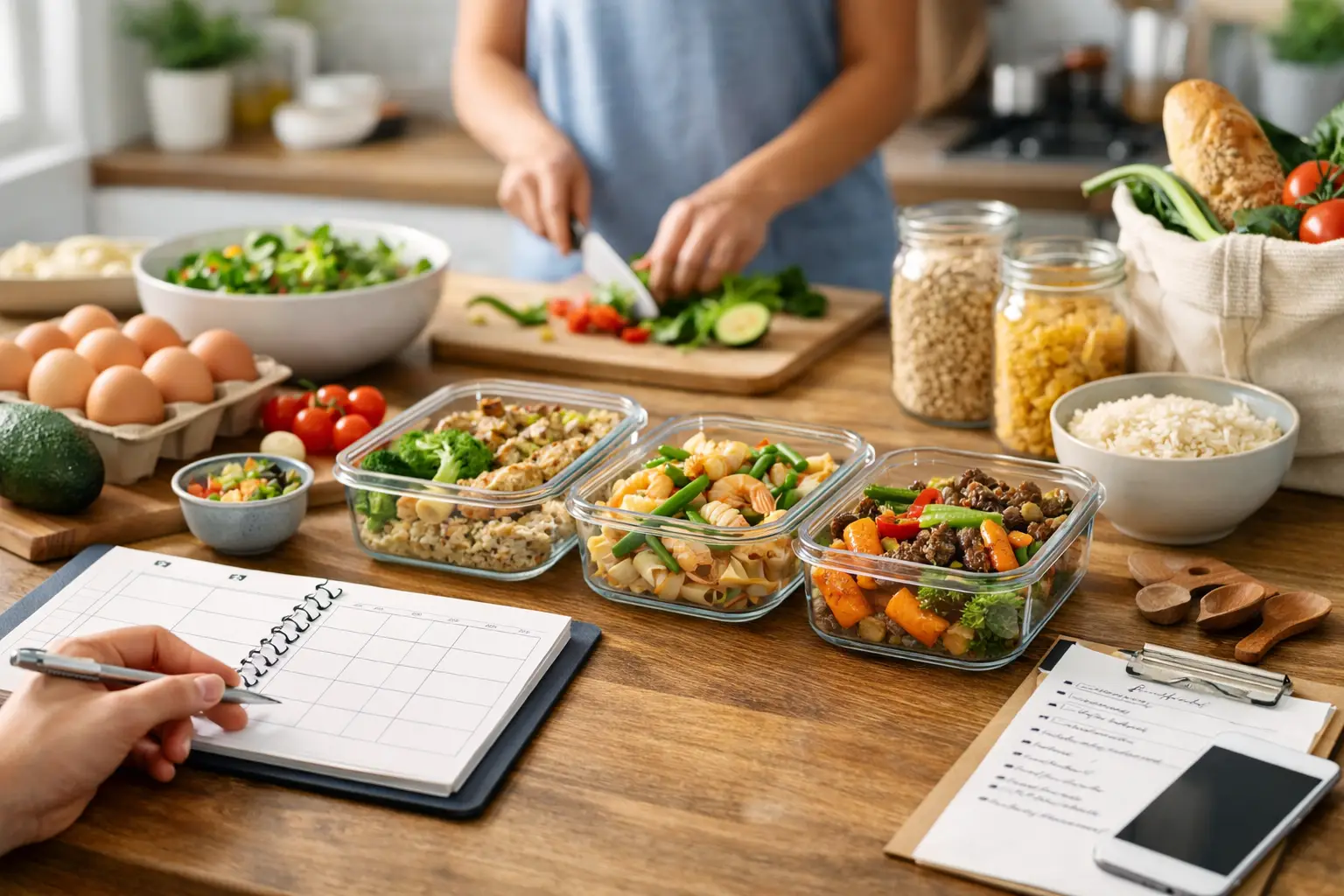
A 5 p.m. dinner decision can feel much bigger than it is. Everyone is hungry, one ingredient is missing, and the meal you meant to make no longer sounds appealing. Meal planning is not about producing seven picture-perfect dinners. It is a simple way to make the next cooking decision easier, spend less time staring into the fridge, and give the food you buy a better chance of being used.
For busy households, students, and anyone tired of last-minute takeout, the most useful plan is flexible. It should account for changing schedules, uneven energy, leftovers, and the fact that some nights call for a proper recipe while others call for eggs on toast.
Start meal planning with your real week
The fastest way to abandon a plan is to create one for an imaginary version of your life. Before choosing recipes, look at your actual week: late meetings, school activities, commute days, social plans, and the evenings when you have enough time to enjoy cooking.
Choose three or four meals you genuinely expect to cook, then leave room for leftovers, pantry meals, or an easy freezer option. A household that cooks dinner four times a week does not need a seven-dinner plan to be organised. Planning fewer meals can reduce waste because you are less likely to buy ingredients that sit unused.
It also helps to assign meals by effort, rather than locking each one to a specific day. You might have one quick meal, two standard weeknight meals, and one longer cooking project. When Wednesday becomes hectic, the 20-minute meal can move forward without making the whole plan feel broken.
Give every meal a job
A good weekly plan includes variety, but it does not need to chase novelty every night. Think about what each dinner needs to do. One may use vegetables that will not last long. Another may make enough for tomorrow’s lunch. A third can rely on shelf-stable ingredients for the day you do not shop.
For example, roasted chicken and vegetables can become grain bowls or wraps the next day. A pot of lentil soup can cover two lunches. If you buy a bunch of herbs for one recipe, plan another meal that uses them before they wilt in the crisper drawer.
This is where meal planning becomes less about strict menus and more about smart sequencing. Use delicate produce early in the week, sturdier vegetables later, and keep one low-effort option available for plans that change.
Build meals around ingredients you already own
Before making a grocery list, take a quick inventory. Check the fridge, freezer, and pantry for ingredients that need attention. Half a bag of spinach, a few tortillas, canned tomatoes, rice, and frozen peas are not random odds and ends. They are the start of several possible dinners.
Try planning from one ingredient outward. If mushrooms are nearing their best-before date, choose a meal where they are central, such as a creamy pasta, fried rice, omelette, or grain bowl. If you have cooked rice, vegetables, and a protein, a stir-fry or sheet-pan dinner may be easier than starting from scratch.
Keep a short list of flexible meal formulas in mind:
- Pasta plus vegetables, protein, and a simple sauce
- Rice or noodles plus a quick stir-fry
- Tacos, wraps, or bowls built from leftovers
- Eggs, beans, or lentils for a fast meatless dinner
Formulas are useful because they adapt to what is available. You can swap broccoli for green beans, chickpeas for chicken, or couscous for rice without needing to rebuild your whole week.
Plan a grocery list that prevents duplicate buying
A shopping list works best when it is connected to the meals you plan, not written from memory at the store. Write down each recipe’s missing ingredients, then combine quantities before you shop. If two meals use carrots, buy enough for both instead of adding two vague entries and hoping for the best.
Group the list in the order you usually shop: produce, proteins, dairy, dry goods, and household basics. This small step makes shopping faster and reduces the chance that you buy an extra jar of something already hiding at home.
Be realistic about package sizes, especially for single-person households or small families. A large container of greens may be a bargain only if you have two or three planned uses for it. If not, choose a smaller bag, use frozen vegetables, or select a more durable ingredient. Saving money at the shelf does not help if half the food ends up in the compost.
Keep a small backup shelf
The best meal plans have a safety net. Keep a few ingredients that can become dinner without a special trip to the store: canned beans, tomatoes, pasta, broth, frozen vegetables, tortillas, rice, or a favourite sauce. The right backup depends on what you enjoy eating and any dietary preferences in your home.
This is not a call to stock a huge pantry. It is about making sure one missed grocery item does not derail dinner. A backup meal also gives you permission to save the more complicated recipe for a day when you have the time and interest to make it properly.
Make the cooking part easier, not just the choosing part
A plan is only helpful if it reduces work when you are tired. Look for small prep tasks that fit naturally into your routine. Wash greens after shopping, cook a batch of grains while you make another meal, or chop vegetables for tomorrow while tonight’s dinner is in the oven.
Avoid doing a marathon prep session if you dislike it. Some people enjoy preparing nearly everything on Sunday. Others would rather spend five minutes each evening getting one step ahead. Both approaches work. The goal is to remove friction, not create another weekly obligation.
Save recipes with clear instructions and serving sizes that match your household. If you are cooking for one, leftovers may be part of the plan. If you are feeding a family, recipes that can be doubled without extra complexity are often more practical. Estimated nutrition information can also be useful when you are trying to balance meals, but treat it as a helpful guide rather than a precise medical tool.
Leave room for cravings and changes
Meal planning should make dinner feel more possible, not more restrictive. If you planned curry but want pasta, switch the order. If an unexpected lunch leaves you full, move dinner to tomorrow and use the ingredients that need attention first. A written plan is a tool, not a contract.
One practical habit is to schedule a weekly reset. Take ten minutes before your next grocery trip to see what remains. That leftover yoghurt may become a sauce, the last vegetables may fit into soup, and the freezer may already hold the answer to one dinner. Over time, this reset helps you learn what your household actually eats, which is more useful than copying someone else’s ideal menu.
When you need a fresh starting point, FlavorLab can bring your pantry items, dietary preferences, serving size, cooking time, and meal ideas into one connected plan. You can turn ingredients that need using into recipe options, add chosen meals to a planner, and organise the combined shopping list for the week ahead.
Tonight, open FlavorLabApp.ca, choose one ingredient you want to use, and build tomorrow’s dinner around it.