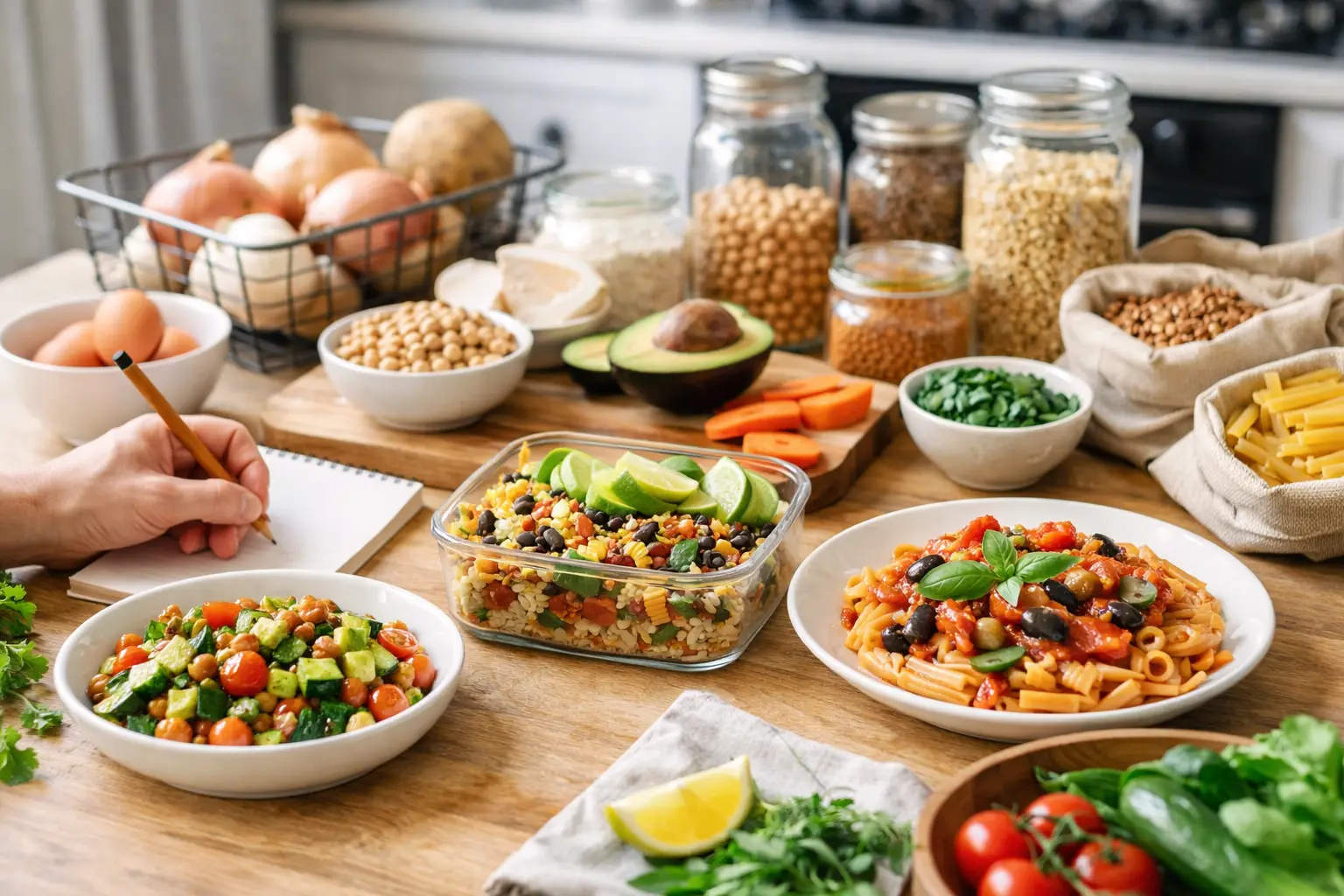
A bag of spinach near its best-before date, half a can of chickpeas, two lonely tortillas, and no plan for dinner: this is exactly the kind of moment where people ask, what is Pantry Rescue? It is a practical way to turn the food already in your kitchen, especially ingredients you need to use soon, into meal ideas you can actually make.
Rather than starting with a recipe and buying everything it calls for, Pantry Rescue starts with what you have. That small change can make dinner decisions faster, help reduce forgotten-food waste, and give you more confidence with the ingredients sitting in your fridge and cupboards.
What Is Pantry Rescue?
Pantry Rescue is a recipe-planning feature designed to help home cooks make use of available or soon-to-expire ingredients. You enter the foods you have on hand, then use those ingredients as the starting point for meal inspiration.
It is useful when your kitchen looks like a collection of almost-enough items. Maybe you have eggs, cheddar, mushrooms, and a few green onions. Individually, they do not answer the question of what to cook. Together, they could become an omelette, breakfast quesadillas, a savoury rice bowl, or a simple baked frittata depending on what else is available.
The goal is not to force every ingredient into one complicated meal. Good pantry cooking still needs judgement. Sometimes the best use for a soft pepper is tonight's stir-fry; sometimes it belongs in tomorrow's soup. Pantry Rescue helps you see realistic options before food gets pushed to the back of the fridge.
Why Home Cooks Need It
Most food waste at home is not caused by buying one huge, unnecessary haul. It comes from ordinary life. Plans change, leftovers pile up, kids reject the lunch idea they liked last week, or a recipe leaves behind half a bunch of herbs and a partial package of vegetables.
A pantry-first approach gives those odds and ends a job. It can also make grocery shopping feel more intentional. When you know what needs using before you shop, you are less likely to buy duplicates or bring home more produce than your week can handle.
For busy households, the biggest benefit may be decision relief. Opening the fridge at 5:30 p.m. and trying to invent dinner from scratch is tiring. Starting with three ingredients and receiving a few usable directions is easier than scrolling through recipes that require a full shop.
Students and beginner cooks can benefit for a different reason: Pantry Rescue encourages flexible cooking. You learn that a bowl does not need one exact vegetable, and that cooked chicken, beans, tofu, eggs, or lentils can often fill a similar role in a meal. The result is more confidence, not just another saved recipe.
How Pantry Rescue Works in Real Life
The most helpful way to use Pantry Rescue is to begin with the ingredients that have the shortest window left. Think fresh greens, ripe fruit, opened dairy products, cooked grains, herbs, or leftovers. Add the items you would like to use, then consider what kind of meal fits your time and appetite.
If you have broccoli, cooked rice, eggs, and soy sauce, a quick fried-rice-style dinner makes sense. If you have Greek yogurt, berries, oats, and a banana, breakfast or snack ideas may be more useful. The same ingredients can lead to very different recipes based on your servings, dietary preferences, cuisine, and available cooking time.
That is where a connected kitchen tool is more useful than a static list of recipes. With FlavorLab, Pantry Rescue can turn your available ingredients into meal ideas while the wider platform supports recipe generation, My Pantry tracking, meal planning, shopping organisation, and step-by-step Cook Mode. You can move from “use the zucchini tonight” to a complete cooking plan without having to rebuild the idea in several different apps.
Start with the ingredient that needs attention
Not all ingredients have equal urgency. Dry pasta, canned tomatoes, and frozen peas can wait. Salad greens, berries, fresh fish, opened hummus, or a carton of cream should shape the plan first.
A simple habit is to check the fridge before choosing meals for the next two days. Ask: what should be used first, what could be frozen, and what needs a supporting ingredient? You may find that one small purchase, such as bread, lemons, or a protein, turns several overlooked items into proper meals.
Add staples without guilt
Using what you have does not mean cooking with only what you have. Pantry Rescue works best when you treat staples as supporting players. Oil, spices, onions, garlic, broth, rice, pasta, flour, canned beans, and sauces can help turn fragments into dinner.
For example, wilting spinach and half a tub of ricotta may not sound like a meal. Add pasta, garlic, lemon, and black pepper, and you have a simple weeknight dish. The point is to use the ingredients at risk of being wasted, not to make every meal an exercise in restriction.
Choose a format before choosing a recipe
When ingredients feel random, start by choosing a meal format. Bowls, soups, sheet-pan meals, wraps, pasta dishes, salads, frittatas, curries, and stir-fries are naturally flexible. They make it easier to swap one vegetable for another or use a small amount of leftover protein.
This is especially helpful for families. One tray of roasted vegetables can become grain bowls for adults, a wrap filling for kids, or a side dish with eggs the next morning. Planning for flexible components helps stretch food without making every meal feel like leftovers.
What Pantry Rescue Is Not
Pantry Rescue is not a guarantee that every ingredient will fit perfectly into one recipe. Some foods are better used separately, and some pairings will need a little common sense. A delicate herb, for instance, may be best added at the end of a dish, while a hearty vegetable can handle a longer cook time.
It also does not replace checking food quality. Best-before dates are useful guides, but your senses matter too. If food has an unusual smell, mould, visible spoilage, or a texture that seems wrong, do not try to rescue it. When in doubt, throw it out.
Nutrition estimates and dietary filters can help guide choices, but they are not a substitute for personalized medical advice. If you are managing a serious allergy or health condition, review ingredients and labels carefully and follow advice from a qualified health professional.
Small Habits That Make It More Effective
Pantry Rescue becomes much more useful when your kitchen information is reasonably current. You do not need an immaculate inventory of every spice. Start with the foods you regularly forget: produce, opened packages, leftovers, freezer items, and proteins.
Keep one visible area in the fridge for “use soon” foods. Store leftovers in clear containers where possible, and label them with the date if your household tends to lose track. When you plan meals, build in one flexible night rather than assigning every dinner a fixed recipe. That gives you room to respond to what needs using.
It also helps to be honest about your capacity. A complicated recipe may use every ingredient beautifully, but it is not the right answer on a packed Tuesday. Choose a five-ingredient pasta, soup, toastie, or rice bowl when time is tight. Save the more involved idea for a quieter day.
A Better Question Than “What Should I Buy?”
Pantry Rescue shifts the usual dinner question. Instead of beginning with “What should I buy for dinner?” you can begin with “What can I make from what is already here?” That does not eliminate shopping, but it makes the shop more purposeful.
It also makes cooking more creative in a grounded way. You are not trying to invent restaurant-level dishes from scraps. You are learning how to turn the ingredients you paid for into satisfying breakfasts, lunches, dinners, and snacks before they are forgotten.
The next time your fridge offers a handful of nearly-used ingredients instead of an obvious meal, try Pantry Rescue at FlavorLabApp.ca and generate a practical idea from what you already have.