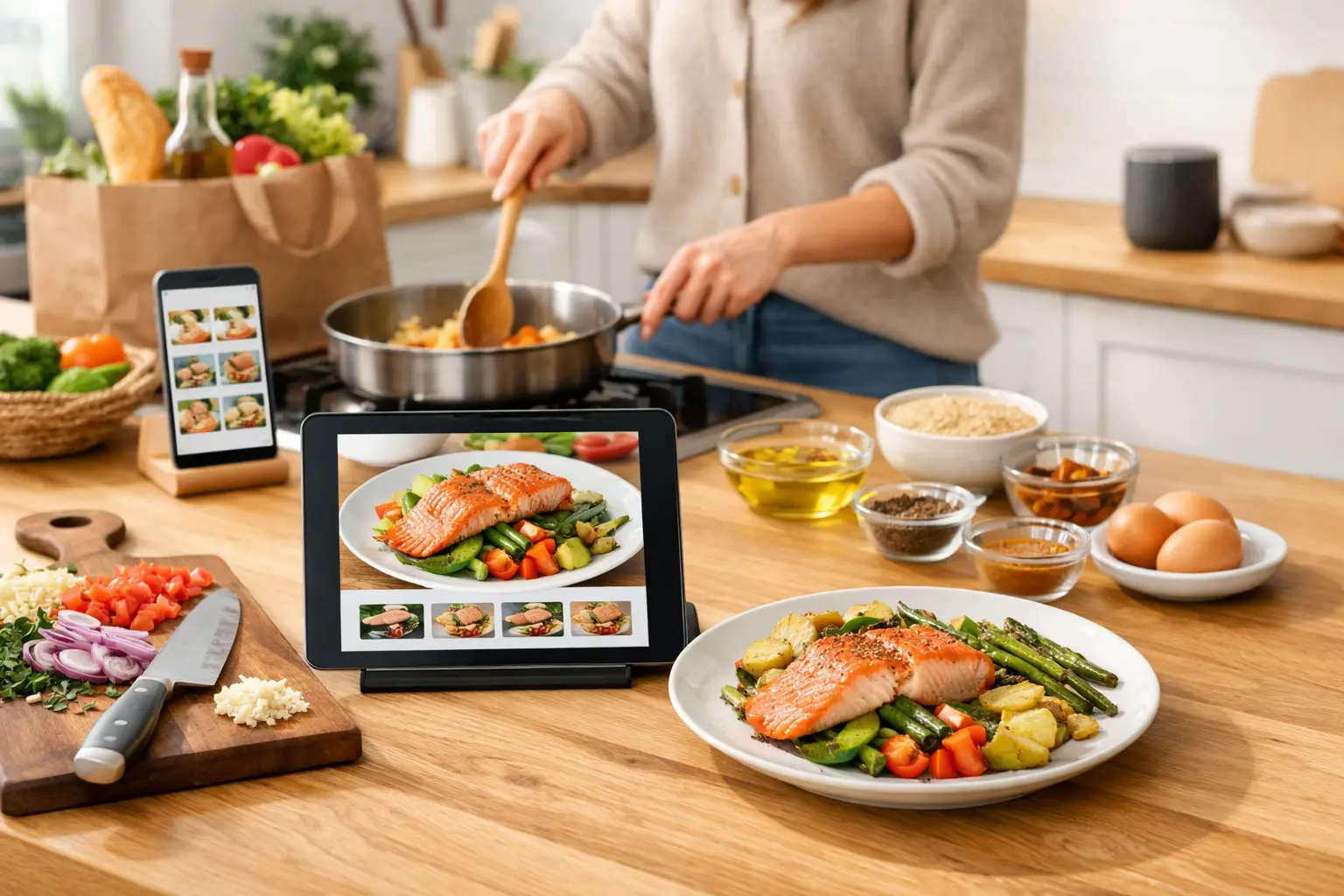
The most useful AI cooking trends are not about replacing the person at the stove. They are about solving the 5:30 p.m. question: what can I make with what I have, who is eating, and how much energy do I have left? For busy households, students and anyone tired of cycling through the same few dinners, that is a genuinely helpful shift.
The best tools are becoming less focused on novelty and more focused on decisions. Instead of searching through a long list of recipes and hoping one fits, home cooks can start with their real constraints: chicken thighs that need using, a vegetarian guest, 30 minutes, four servings, or a craving for something spicy and comforting. The result should be a meal idea that feels possible on a Tuesday, not merely impressive on a screen.
AI cooking trends are moving from search to context
Traditional recipe search begins with a dish. You type “pasta bake” or “chicken curry,” then sort through results, adjust serving sizes, swap ingredients and figure out whether the instructions match your kitchen. AI-assisted cooking increasingly starts somewhere else: your ingredients, schedule, preferences and goal.
That change matters because cooking is rarely a single-question task. A parent may need a dinner that uses broccoli before it wilts, avoids an ingredient one family member dislikes, produces enough for lunch tomorrow and does not require another trip to the store. A student may have rice, eggs, frozen vegetables and one pan. Both people need direction, but not the same recipe.
More conversational recipe generation is one of the clearest trends. A good prompt can be as specific as “make a 25-minute dairy-free dinner for two using canned chickpeas and spinach” or as open as “I want something warm and filling with what is in my fridge.” The value is not that every suggestion will be perfect. It is that the starting point is already closer to the meal you can actually cook.
There is a trade-off. Clear details tend to produce more useful results, so it helps to mention the ingredients you want to use, your available time, serving size and any dietary preferences. You should still read the full recipe before starting. Check that the quantities make sense for your household, confirm you have the equipment, and use your own judgment on doneness and food safety.
The pantry is becoming part of the meal plan
One of the most practical AI cooking trends is pantry-aware planning. Food waste often happens because ingredients disappear behind other groceries, or because one recipe calls for a small amount of a specialty item that is never used again. A system that begins with what is already in the kitchen can help turn a half bag of carrots, leftover rice and a can of beans into a real dinner plan.
This does not mean every meal must be a random clean-out-the-fridge creation. Sometimes a planned grocery shop and a reliable recipe are the right answer. Pantry-based ideas work best when they support a broader plan: use perishables first, build meals around flexible staples, and identify the few ingredients that would make several dinners easier.
For example, roasted vegetables can become grain bowls one night, a soup addition the next day, and a filling for wraps later in the week. Cooked lentils can move from a curry to a salad or pasta sauce. AI can suggest those connections, but the bigger benefit is helping you see your kitchen as a set of useful building blocks instead of a collection of unrelated leftovers.
Keeping a simple digital pantry also makes planning less dependent on memory. You do not need to track every grain of salt. Start with ingredients that expire quickly, items you tend to overbuy, and staples that affect your meal options. That small amount of visibility can make a grocery list more purposeful.
Personalization is getting more realistic
“Personalized” used to mean choosing vegetarian or gluten-free from a filter. Those filters remain useful, but home cooking is more personal than a single label. People cook around budget, cultural tastes, texture preferences, time, confidence, fitness goals, household size and the ingredients their kids will actually eat.
The stronger use of AI is adapting a recipe without making it unrecognizable. If you want a stir-fry with tofu instead of chicken, fewer dishes, or a milder flavour profile, the instructions and timing should change with the ingredients. If a recipe is meant to serve six but you are cooking for one, it should help you adjust rather than leave you doing awkward math over a saucepan.
Nutrition estimates are also becoming part of everyday recipe decisions. They can be useful for comparing meal ideas, understanding a recipe’s overall balance or choosing a dish that fits a personal food goal. They are estimates, though, not medical advice or a substitute for professional dietary guidance. Ingredient brands, portion sizes and cooking methods all affect the final result.
The most helpful approach is to use nutrition information as one signal among several. A meal also needs to be enjoyable, affordable and realistic enough to make again. If a recipe technically fits a target but requires twelve unfamiliar ingredients, it may not be the practical winner.
Better guidance matters as much as better ideas
A meal suggestion is only the beginning. Beginners often need clear steps, approximate timing, preparation cues and a way to keep their place while cooking. Experienced cooks may want a quick framework they can adapt. This is why guided Cook Mode and well-structured instructions are becoming more valuable than a wall of recipe text.
Visual inspiration has a role, too. A representative finished-dish image can help you understand the intended result, especially when you are learning a new cuisine or deciding whether a meal suits the occasion. Creator Shorts and full cooking videos can add another layer of confidence when available, showing technique, texture and pacing in a way written instructions cannot always capture.
Still, visuals should inspire rather than intimidate. Your sauce may be darker, your vegetables may be cut differently, and your plate may not look like the image. That does not mean the meal failed. A useful cooking tool supports real-life kitchens, including small counters, imperfect knife skills and the occasional missing ingredient.
Planning tools are replacing the daily dinner scramble
The most meaningful shift may be the connection between recipe ideas and the rest of the cooking routine. A recipe is more useful when it can become part of a weekly meal plan, contribute ingredients to a combined shopping list and stay accessible once you begin cooking.
Planning does not have to mean assigning seven elaborate meals every Sunday. For many people, it is enough to choose three or four dinners, leave room for leftovers, and keep a few flexible options for busy nights. A loose plan makes it easier to buy with purpose while avoiding the pressure of following a rigid schedule.
Look for meals that share ingredients without becoming repetitive. Buy one bunch of herbs for two different dishes. Use a package of tortillas for tacos and quick lunch wraps. Plan one meal that can absorb leftover vegetables. These small connections reduce waste and simplify shopping without turning dinner into a spreadsheet.
A useful AI kitchen still needs your judgment
AI can generate ideas quickly, but it cannot smell whether your milk has turned, know the heat level of your particular stove, or tell whether your family will enjoy a new ingredient. Treat generated recipes as helpful starting points, not unquestionable instructions.
Taste as you cook. Make substitutions based on what you know works in your kitchen. Keep an eye on cooking times, especially when changing ingredient sizes or using different equipment. If an idea is almost right, adjust it and save the version you would make again. Over time, your kitchen history becomes more useful than a collection of recipes you only bookmarked.
The real promise of these tools is not a more complicated way to cook. It is fewer frustrating decisions, more confidence with the ingredients you own, and more room to make food that suits your life. When you are ready to turn tonight’s ingredients into a plan, try generating a recipe or using Pantry Rescue at FlavorLabApp.ca.