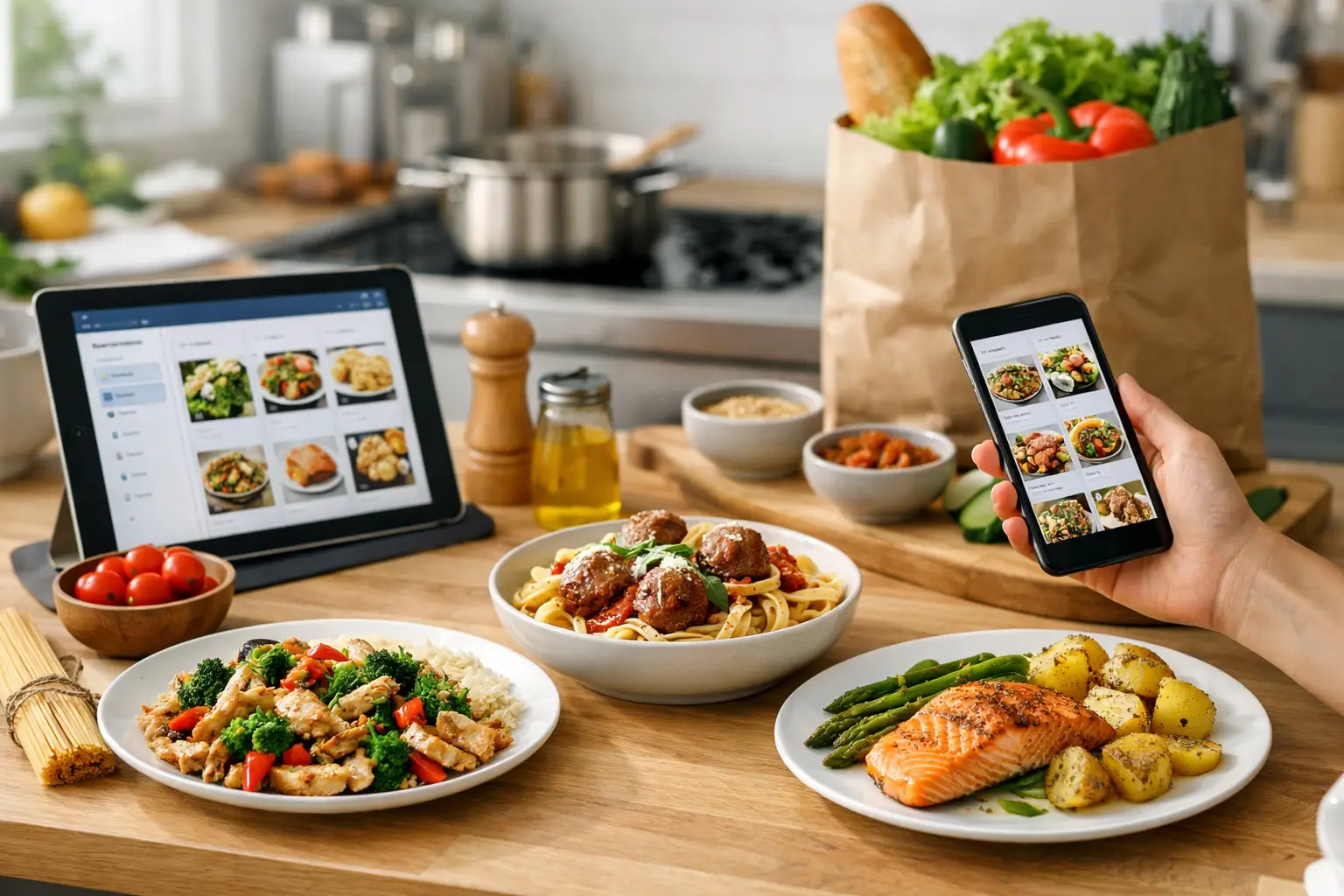
At 5:30 p.m., the hardest part of dinner is often not cooking. It is making one decision that works for the ingredients in the fridge, the time available, different appetites, and tomorrow’s lunch. So, can AI plan dinners? Yes - when you give it useful context and treat the result as a flexible starting point rather than a strict menu.
For busy households, students, beginner cooks, and anyone tired of cycling through the same few meals, AI can reduce the mental load of deciding what to make. It can turn a vague thought like “something quick with chicken and vegetables” into a workable recipe, then help connect tonight’s meal to the rest of the week.
Can AI Plan Dinners That Fit Real Life?
AI is most useful for dinner planning when the question is specific. “Plan five dinners” may produce ideas, but “plan five dinners for two adults and two children, with 30 minutes on weeknights, using spinach, carrots, rice, chicken thighs, and a vegetarian meal on Thursday” gives it something practical to work with.
That distinction matters. A good dinner plan is not a collection of appealing recipes. It is a sequence of meals that considers what you already have, what needs using first, which nights are rushed, and how leftovers might serve another meal. AI can spot patterns and generate options quickly, but it relies on the details you provide.
For example, a plan might put a vegetable stir-fry early in the week to use fresh produce, suggest roasted chicken one night, then use leftover chicken in wraps or grain bowls the next day. That is the kind of connected thinking that makes meal planning feel less wasteful and less expensive.
It also helps when your needs change. Maybe you planned pasta, but now only have 20 minutes. Maybe a family member wants a meat-free option. Maybe you have guests coming over, or you simply do not feel like cooking the meal you originally chose. Instead of starting the decision process again, you can ask for an adjustment based on the new reality.
What AI Does Well for Weeknight Dinners
The best use of AI is not replacing your judgement. It is handling the repetitive planning work that drains energy after a long day.
It can generate meal ideas from ingredients you have on hand, suggest a recipe around a cuisine or dietary preference, scale a dish for the number of people eating, and offer alternatives when an ingredient is missing. It can also organize ideas into a week that makes sense, rather than leaving you with seven unrelated recipes and a long, scattered shopping list.
This is especially helpful if you are learning to cook. A beginner may know they have ground beef, tortillas, tomatoes, and cheese, but not know whether that should become tacos, a skillet meal, stuffed peppers, or something else. AI can offer a clear recipe with ingredient amounts and step-by-step instructions, making the next move easier to see.
Experienced home cooks can use it differently. Instead of asking for basic dinner ideas, they might request a Korean-inspired tofu bowl, a dairy-free bake using pantry staples, or a meal that pairs a bright vegetable side with a hearty main. The value is speed and fresh perspective, not being told how to make a grilled cheese.
AI can also support more intentional grocery planning. When dinner ideas are built around overlapping ingredients, you are less likely to buy a single-use herb or a large package of vegetables that sits untouched in the crisper drawer. Planning does not guarantee zero waste, but it can make it easier to buy with a purpose.
The Information That Makes a Plan More Useful
A dinner-planning request does not need to be complicated. A few honest details lead to better ideas than a long list of rules you will not follow.
Share four things: who you are feeding, how much time you have, what ingredients need using, and any food preferences you want considered. If relevant, add your budget comfort level, cooking confidence, available equipment, or whether you want leftovers.
You might ask for: “Four dinners for two people, under 35 minutes each. Use mushrooms, broccoli, eggs, and half a bag of rice. Include one comforting meal and one vegetarian meal. Keep ingredients easy to find.”
That request gives AI enough direction to make trade-offs. It can suggest a mushroom and broccoli fried rice early in the week, then use remaining vegetables in an omelette or noodle dish. If you want a more social meal, it can steer toward a build-your-own bowl night or a taco-style dinner where everyone can choose toppings.
Be direct about meals that will not work. If your children dislike spicy food, say so. If you only have one pan and do not want to wash three more, include that. If Thursday is a late practice night, ask for something that can be prepared ahead or cooked quickly. Dinner planning gets better when it reflects your actual kitchen, not an idealized version of it.
Start with the Pantry, Not a Perfect Menu
Many people plan dinner by searching for recipes first and checking the fridge later. That can lead to duplicate purchases and forgotten ingredients. Starting with your pantry, freezer, and produce drawer flips the process.
Look for items that are close to their best: soft herbs, opened dairy products, ripe vegetables, cooked grains, or proteins you thawed with good intentions. Then build one or two meals around those ingredients before filling the remaining gaps with groceries.
A connected platform such as FlavorLab makes this easier by combining pantry ideas, recipe generation, meal planning, cooking guidance, and a shared shopping list in one place. Its Pantry Rescue tool is particularly useful when you have a few ingredients that need attention but no clear dinner plan. Rather than forcing yourself to follow a recipe that requires a full shop, you can begin with what is already in your kitchen.
Where Human Judgement Still Matters
AI can make suggestions quickly, but it cannot taste your carrots, see how much sauce is actually left in the jar, or know that everyone in your household is tired of bowls this week. Read a proposed plan before committing to it.
Check ingredient quantities, cooking times, and the number of dishes involved. A recipe described as quick may still require chopping several vegetables, preheating the oven, and making a sauce from scratch. On a busy Tuesday, a simpler plan may be better than a more exciting one.
Nutrition information can be helpful for general awareness, especially when comparing meal ideas or aiming for more protein, fibre, or vegetables. Still, estimates can vary based on brands, portion sizes, substitutions, and how much oil or sauce you use. If you manage a medical condition or need individual dietary advice, use guidance from a qualified health professional rather than relying on a meal-planning tool alone.
Food safety also remains your responsibility. Keep ingredients stored properly, cook foods thoroughly, and use your own judgement if something smells or looks off. AI can help you choose a recipe, but it cannot inspect what is in your fridge.
A Simple Way to Plan the Week Without Overplanning
The most realistic dinner plans leave room for change. Instead of assigning seven highly detailed meals, choose three or four anchor dinners and keep a couple of flexible options available. A flexible option could be eggs and toast, pasta with frozen vegetables, quesadillas, or a soup made from ingredients already on hand.
Match the effort to the day. Put the meal with more chopping on a quieter evening. Save a familiar favourite for the night everyone gets home late. Plan leftovers intentionally only if your household genuinely eats them. If leftovers are usually ignored, scale the recipe down instead of pretending they will become lunch.
It also helps to group shopping around a few repeat ingredients. One bunch of green onions can work in fried rice, noodle bowls, and baked potatoes. A container of yogurt can become a sauce, a dip, and a breakfast addition. This does not mean every dinner should taste the same. It means your shopping list should make sense beyond one recipe at a time.
The goal is not a perfect menu that never changes. It is having enough of a plan that dinner does not become an emergency every evening.
Tonight, try generating one dinner from the ingredients you already have, then turn the best idea into the start of a practical week at FlavorLabApp.ca.