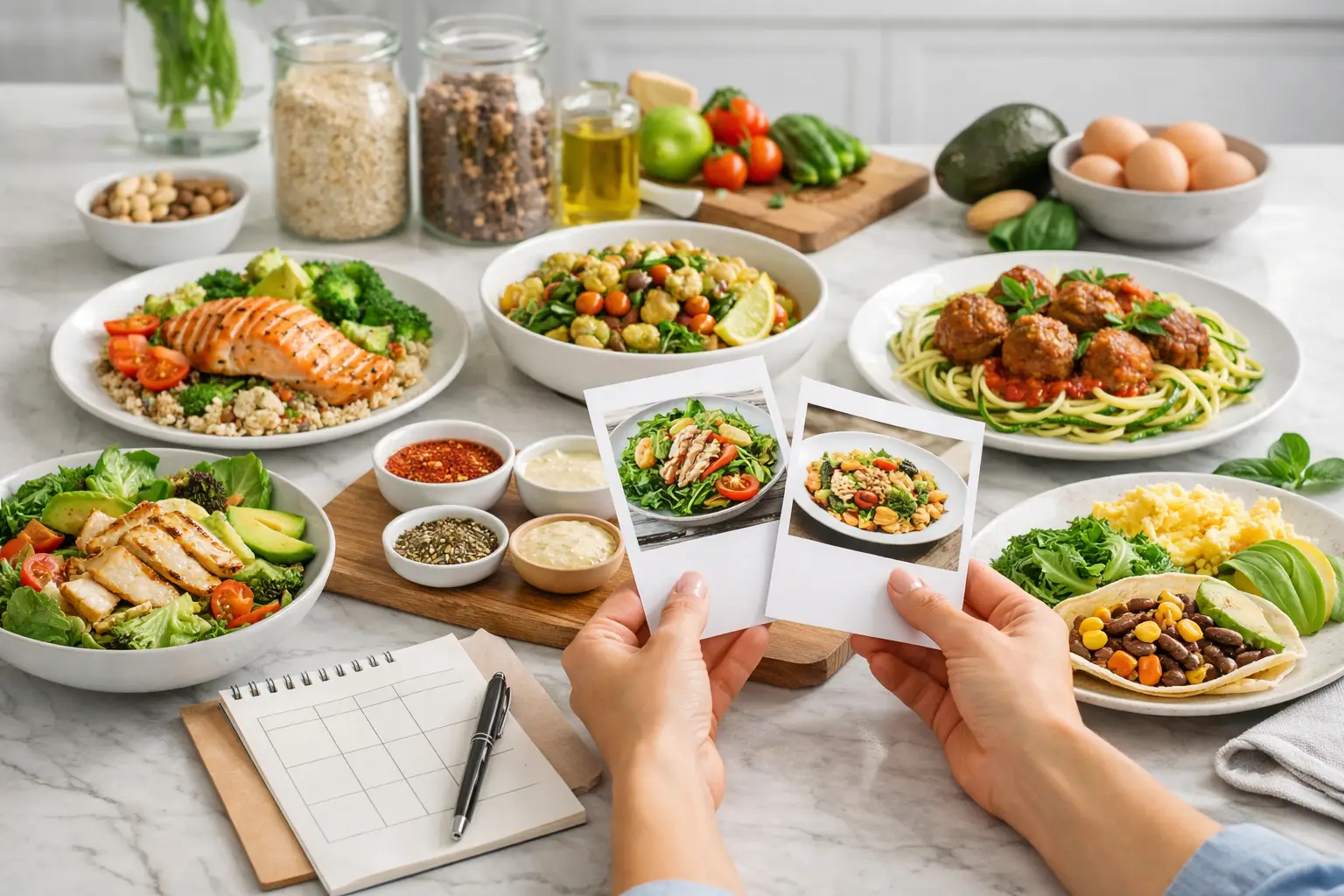
A family taco night can get complicated fast: one person wants a meat-free filling, another is avoiding dairy, and someone else needs a lunch that will still taste good tomorrow. The good news is that can recipes fit dietary preferences is usually not a question of finding entirely different dinners. More often, it comes down to choosing flexible recipes, knowing which ingredients carry the most weight, and planning a few smart options before you start cooking.
For busy home cooks, the goal is not a perfect menu full of speciality ingredients. It is food that suits the people at your table, uses what you have, and feels realistic on a Wednesday night.
Can Recipes Fit Dietary Preferences Without Separate Dinners?
Yes, especially when you build meals around components rather than one fixed finished dish. Think grain bowls, sheet-pan meals, pasta bars, tacos, soups, curries, stir-fries, and loaded baked potatoes. These meals let everyone start with the same base and make small changes at serving time.
A taco dinner is a simple example. You might cook seasoned ground meat and black beans, then put out tortillas, chopped vegetables, salsa, avocado, cheese, and a dairy-free topping if needed. The cooking is still centred on one meal, but each person can make a plate that works for them.
This approach matters because dietary preferences are rarely identical within a household. One person may be looking for more protein, another may prefer plant-forward meals, and another may simply dislike certain ingredients. Treating every preference as a completely separate recipe can make cooking feel like a part-time job. Creating choices within a shared meal keeps it manageable.
There are limits, of course. A preference is different from a medically necessary restriction or a serious allergy. If someone needs to avoid an ingredient for health or allergy reasons, use advice from their qualified health professional and take appropriate steps to prevent cross-contact in the kitchen. A recipe adaptation is only as reliable as the ingredients and preparation practices behind it.
Start With the Recipe's Non-Negotiables
Not every ingredient is easy to swap. Before replacing anything, ask what job it does in the recipe. Does it provide structure, richness, moisture, salt, acidity, or the main flavour? Once you know the answer, you can make a change that still makes sense.
In a creamy pasta sauce, cream brings richness and body. Replacing it with plain water will not give you the same result, but a plant-based cooking cream or a blended white bean sauce may. In baking, eggs can provide lift, binding, and moisture, so the best substitute depends on whether you are making pancakes, muffins, or cookies.
It also helps to decide which parts of the dish are worth preserving. In a noodle bowl, the sauce and fresh toppings may be the point, so changing the protein can be easy. In a cheese-based casserole, the cheese may be central to the texture, which means a substitute needs more testing. There is no universal swap chart that works perfectly every time.
Make one meaningful change at a time
When you are adapting a familiar recipe, avoid changing everything at once. If you are trying a new noodle, a different protein, and a new sauce, it can be hard to tell why the meal did not turn out as expected. Start with one priority adjustment, then make further changes as you learn what your household enjoys.
This is especially helpful for beginner cooks. A simple recipe that turns out well builds more confidence than an ambitious remake with six unfamiliar products.
Build Meals Around Flexible Ingredients
Some ingredients naturally make dietary adaptation easier because they work in many cuisines and keep well in the fridge or pantry. Rice, potatoes, oats, beans, lentils, canned tomatoes, frozen vegetables, eggs, noodles, herbs, and sauces can all become the foundation for different types of meals.
The trick is to shop and plan for versatility, not just for a single recipe. Roast a tray of vegetables one night, then use the extras in wraps, grain bowls, omelettes, or soup. Cook a larger batch of rice for dinner and turn it into fried rice or a lunch bowl the next day. A flexible ingredient earns its place because it reduces both decision fatigue and food waste.
Protein is often the easiest part to customize. A recipe built around a seasoned sauce, vegetables, and a starch can work with chicken, beans, tofu, eggs, lentils, or another option that fits your preferences. Instead of asking, “What can I make with this one ingredient?” try asking, “What meal format can use this ingredient well?”
That small shift gives you more choices. Leftover roasted vegetables may not sound exciting on their own, but they can become a filling for quesadillas, a topping for pizza, or part of a warm salad with a quick dressing.
Keep Flavour at the Centre of the Adaptation
A recipe that meets a preference but tastes flat will not become a regular. When you remove or replace an ingredient, pay attention to the flavour elements that may disappear with it.
For example, a meat-free version of a dish may need more savoury depth from mushrooms, tomato paste, miso, toasted spices, caramelized onions, or a well-seasoned broth. A lower-sodium approach may benefit from extra acidity, fresh herbs, garlic, ginger, citrus, or toasted nuts and seeds, depending on the dish. A dairy-free meal may need a creamy element from coconut milk, blended beans, tahini, or a suitable plant-based alternative.
Taste as you cook, particularly after changing a sauce or seasoning blend. Small adjustments near the end can make a bigger difference than adding a long list of ingredients at the start. A squeeze of lemon, a pinch of salt, or a spoonful of something tangy can bring a meal back into balance.
Plan for Preferences Before the Grocery Shop
The easiest dietary-friendly dinner is often the one you planned before you were hungry and standing in front of the fridge. Pick a few meals for the week that share ingredients but offer variety in flavour and format.
You might plan a vegetable and bean chilli, a chicken or tofu stir-fry, pasta with a flexible sauce, and breakfast-for-dinner. That creates overlap in vegetables, pantry staples, and toppings without making every meal feel the same. It also gives you a backup plan when an ingredient runs out or a leftover needs using.
Make a short note of household priorities before choosing recipes. It could be as simple as “one plant-forward dinner,” “easy lunches,” “use spinach,” or “keep prep under 30 minutes.” These guidelines are more useful than trying to follow a rigid meal plan that does not match your actual week.
Nutrition estimates can be a useful reference when comparing meal ideas, but they are estimates rather than personal medical guidance. Portions, brands, substitutions, and cooking methods all affect the final result. Use them as one piece of information alongside your own needs and any professional advice you follow.
Let Your Pantry Guide the Adaptation
Dietary preferences can sometimes make a nearly empty kitchen feel more limiting than it is. A few pantry ingredients and one overlooked vegetable can still become a satisfying meal when you start with a format instead of a strict recipe.
If you have canned chickpeas, carrots, onions, and rice, you may be close to a spiced rice bowl, a quick soup, or crispy chickpea wraps. If you have pasta, frozen peas, garlic, and a lemon, you have the beginnings of a fast weeknight dinner. The details depend on what you enjoy and what you need to use first.
This is where an ingredient-first tool can save time. Rather than searching through recipes that almost work, you can enter what is in your kitchen and add the dietary preference or goal that matters for that meal. The best suggestion is not always the fanciest one. It is the one you can cook now, enjoy, and make again.
A Better Question to Ask at Dinner Time
Instead of asking whether a recipe is completely suitable as written, ask how close it already is and what change would make it work. That mindset opens up far more meal ideas. It also helps you avoid buying a cupboard full of one-purpose ingredients that get used once and forgotten.
The most practical recipes are not rigid. They leave room for the vegetables in your crisper, the protein you have available, the time you actually have, and the people you are feeding. With a little planning, dietary preferences can shape better meals rather than make dinner harder.
For your next meal, try entering the ingredients you need to use and your dietary preferences into FlavorLab, then generate a recipe that fits the way you cook at FlavorLabApp.ca.