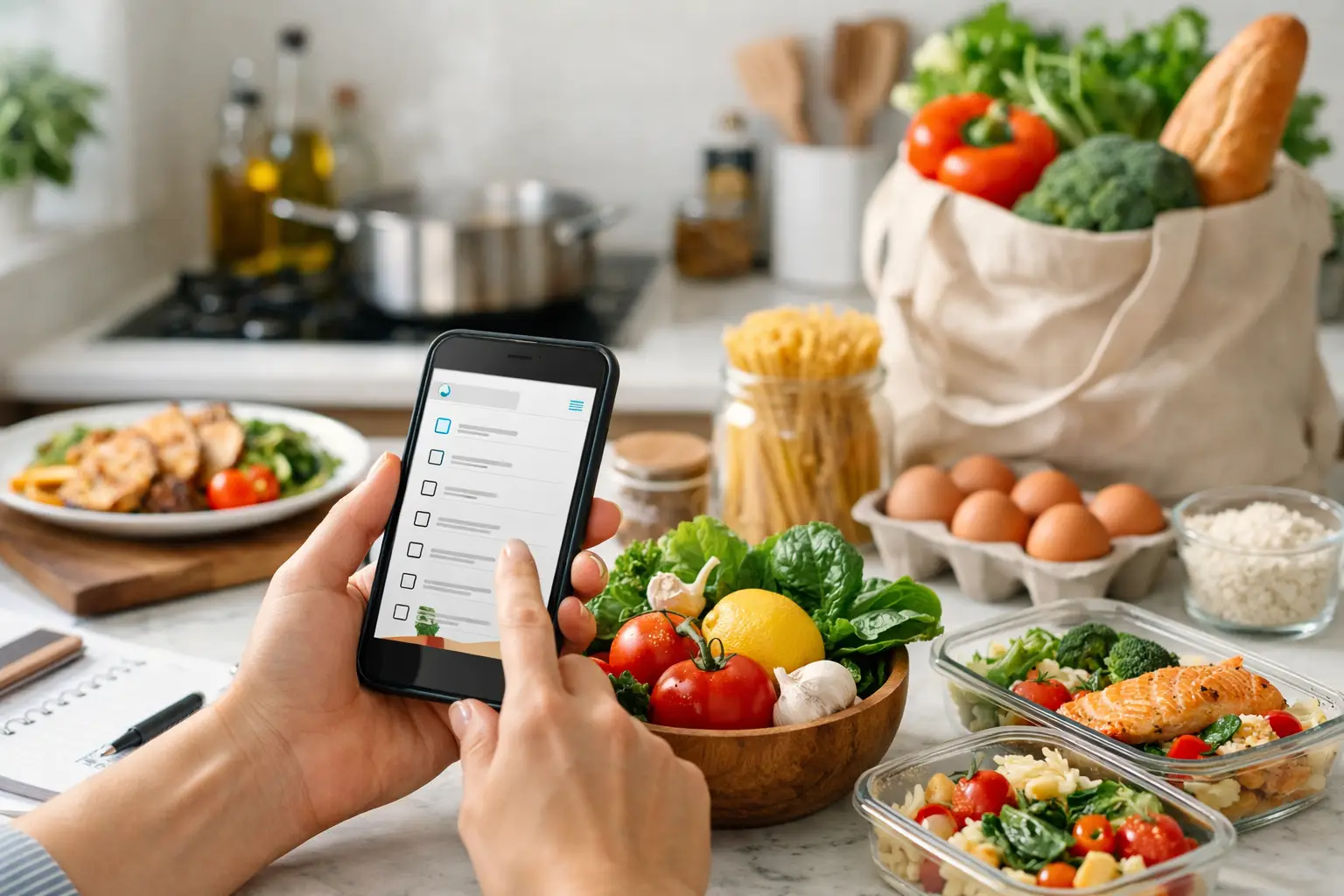
A shopping list written on the back of an envelope works until someone else does the grocery run, dinner plans change halfway through the week, or you discover three bags of spinach in the fridge. Shopping list apps give everyday cooking a little more structure: one place for the ingredients you need, the meals you have planned, and the items already sitting in your kitchen.
For busy households, students, and anyone who is tired of the 5 p.m. question of what to cook, the right app can make shopping feel like part of the meal rather than a separate chore. The goal is not to create a perfect food system. It is to make the next grocery trip faster and the next dinner decision easier.
What shopping list apps should actually solve
The basic job is simple: record what you need to buy. But the most useful shopping list apps do more than replace pen and paper. They help you avoid buying duplicates, keep a shared list current, and turn a loose set of meal ideas into ingredients you can act on.
That difference matters when your list includes both everyday essentials and recipe-specific items. Milk, bread, bananas, and lunch snacks are one type of shopping. Ingredients for vegetable curry, packed lunches, or a birthday bake are another. When everything lives in one long, unorganised note, it is easy to miss an item or buy a second jar of something already at home.
A good app should reduce mental load. You should be able to add items quickly, check them off as you shop, and come back later without needing to remember what each ingredient was for. If it takes more effort to update the list than it saves at the store, it will not last beyond the first enthusiastic week.
The features that make a list worth using
Shared access for real households
If more than one person shops or cooks, shared lists are often the feature that changes everything. One person can add dish soap from the kitchen, another can add ingredients for taco night on the commute home, and the shopper sees the same current list.
The trade-off is that a shared list needs a little household agreement. Decide whether anyone can add items, whether staple foods should stay on the list, and whether the person cooking is responsible for marking recipe ingredients as bought. A five-minute conversation can prevent the familiar problem of everyone assuming someone else picked up eggs.
Categories that match the way you shop
Lists are easier to use when they roughly follow a grocery store route. Produce, bakery, dairy, frozen foods, pantry items, and household supplies are useful categories because they stop you from zigzagging through the store.
Perfect categorisation is not essential. In fact, spending too long sorting every item can become another task to avoid. Look for an app that lets you organise naturally while still making it easy to add “lemons” or “oats” in seconds.
Recipe-to-list planning
The strongest feature for regular home cooks is the connection between recipes and shopping. Rather than copying ingredients one by one, you can plan a few meals and build a list from what those meals require.
This is especially helpful when recipes overlap. If two dinners need onions, you can see the total quantity before you shop. It also helps when you are trying a new cuisine or cooking for a dietary preference, because the full ingredient list is ready before you start.
Still, recipe-based lists need a pantry check. A recipe may call for cumin, rice, olive oil, or soy sauce, but you may already have enough. Taking a minute to look before adding everything prevents the app from becoming a duplicate-buying machine.
Pantry awareness without extra fuss
Knowing what you own can make a shopping list much smarter. You do not need to track every grain of rice for this to help. Start with ingredients you regularly forget you have, such as canned beans, pasta, sauces, frozen vegetables, baking supplies, and spices.
The practical question is not “What is in my kitchen?” It is “What should I use before I buy more?” Pantry awareness helps you shape meals around what is already available, then add only the missing pieces. That can cut down on waste and make a small grocery budget stretch further.
A simple weekly workflow that sticks
Most people do not need to plan every breakfast, lunch, and dinner in advance. Planning three or four dinners is often enough to create breathing room while leaving space for leftovers, takeout nights, or an unexpected invitation.
Start by checking your fridge, freezer, and pantry. Notice ingredients that need attention first, such as chicken nearing its use-by date, half a container of yogurt, greens, or vegetables that have been waiting too long. Choose one or two meals that use those ingredients, then add a couple of flexible meals built around staples.
Next, add only the missing ingredients to your list. It helps to include a few useful extras for the week, such as fruit, sandwich supplies, or a simple snack, but avoid shopping for an imaginary version of the week where every meal goes exactly as planned.
At the store, check off items as they go into your basket. If something is unavailable, make a quick decision: substitute it, choose another meal, or leave it for next week. Shopping lists work best when they support real life rather than demand a rigid plan.
How to choose between shopping list apps
There is no single best fit because people shop and cook differently. A student in a shared apartment may care most about a fast collaborative list. A parent managing lunches and dinners may want meal planning and recurring household items. Someone trying to cook through what they already own may value a pantry feature above everything else.
Before committing, ask yourself a few practical questions. Can you add an item in a few taps? Can others see changes right away? Does it help you organise ingredients from recipes? Will you realistically maintain the pantry information it asks for? The best tool is the one that fits your routine on a tired Tuesday, not the one with the longest feature list.
Also consider how much planning you genuinely enjoy. Some people want a detailed menu and precise quantities. Others need a light prompt that says, “Buy vegetables, protein, wraps, and one meal idea for Thursday.” Both approaches are valid. Your list should make cooking more approachable, not turn it into admin.
Turn the list into better dinner decisions
A shopping list is most valuable when it connects to the question behind it: what can I make this week? That is where a connected cooking platform can be more useful than a stand-alone checklist.
FlavorLab brings recipes, meal planning, pantry tracking, and a combined shopping list into the same kitchen workflow. You can use Pantry Rescue to turn ingredients you already have or want to use soon into meal ideas, generate a recipe around a dish, cuisine, dietary preference, serving size, or cooking time, and add the missing ingredients to your plan. The generated recipe includes structured ingredients, cooking steps, estimated nutrition information, and a representative finished-dish image, so beginners have clearer guidance before they shop.
This approach is useful when the list starts with a vague idea instead of a recipe. Maybe you have mushrooms, tortillas, and cheese but no plan. Maybe you need a quick family dinner that works with the vegetables in the crisper. Rather than buying a cart full of possibilities and deciding later, you can start with the ingredients and build toward a meal.
Creator Shorts and cooking videos can also offer extra inspiration where available, but they are not necessary for a useful plan. The priority is choosing food you want to cook and knowing what to buy to make it happen.
Keep your list flexible, not flawless
The most effective grocery list is allowed to change. A sale might make a different vegetable more appealing. A busy evening might turn a planned recipe into eggs on toast. A leftover meal might remove tomorrow’s dinner from the schedule altogether.
Use your app as a living note, not a contract. Move unfinished items forward, remove ingredients you no longer need, and take a quick look at the pantry before your next shop. Over time, you will notice which staples your household uses, which recipes are realistic on weeknights, and which foods tend to go to waste.
The next time dinner feels undecided, organise a shopping list at FlavorLabApp.ca, then let the ingredients you already have point you toward a meal worth making.